The World on a Plate
There is no faster way to understand a place than to eat what its people eat, the way they eat it, where they eat it. A bowl of pho in Hanoi before the city wakes up. A tagine shared around a low table in Fez. A market stall in Osaka where the cook has been perfecting one dish for forty years. These are not side dishes to travel — they are the point of it.
Food is culture made edible. It holds the history, the climate, the religion, the trade routes, the agricultural traditions, the family structures of a people. To eat locally — not the tourist-menu version, but the real thing — is to practise the most intimate form of travel there is.
This cluster is vacation-talk’s guide to eating your way across the world. Not a list of restaurants (though you will find those too), but a lens: how food shapes local life, what it reveals about a place, and how to find the real thing when you get there.
Asia — The Greatest Food Continent on Earth
Asia does not have a cuisine. It has hundreds — each one the product of a distinct civilisation, a different climate, a set of spices that took centuries to develop. What connects them is the centrality of food in daily life: meals are social acts, shared rituals, moments of care. To understand Asia is to understand that food here is never just fuel.

Thailand is where street food reaches its zenith. The wok hiss of pad kra pao at a corner stall, the coconut-laced richness of a massaman curry, the sour-hot balance of a tom yum — Thai food is endlessly nuanced, built on the interplay of sweet, sour, salty, spicy and umami. The meal rhythm here is also remarkable: Thais eat five or six times a day, grazing rather than sitting to three formal meals. Food is woven into the fabric of every hour.
Thai food — More than 20 dishes you simply must taste · Thailandsk mad og 40 lækre thai retter · The meal rhythm of Thailand
Vietnam is the counter-argument to every cuisine that oversalts and over-complicates. Vietnamese cooking is restrained, light, herb-forward — a philosophy of balance that produces dishes of extraordinary elegance from minimal means. Pho, banh mi, bun cha, the fresh spring rolls of the south: each one a lesson in how less becomes more when the ingredients are honest.
Vietnamese food from Hanoi to Saigon
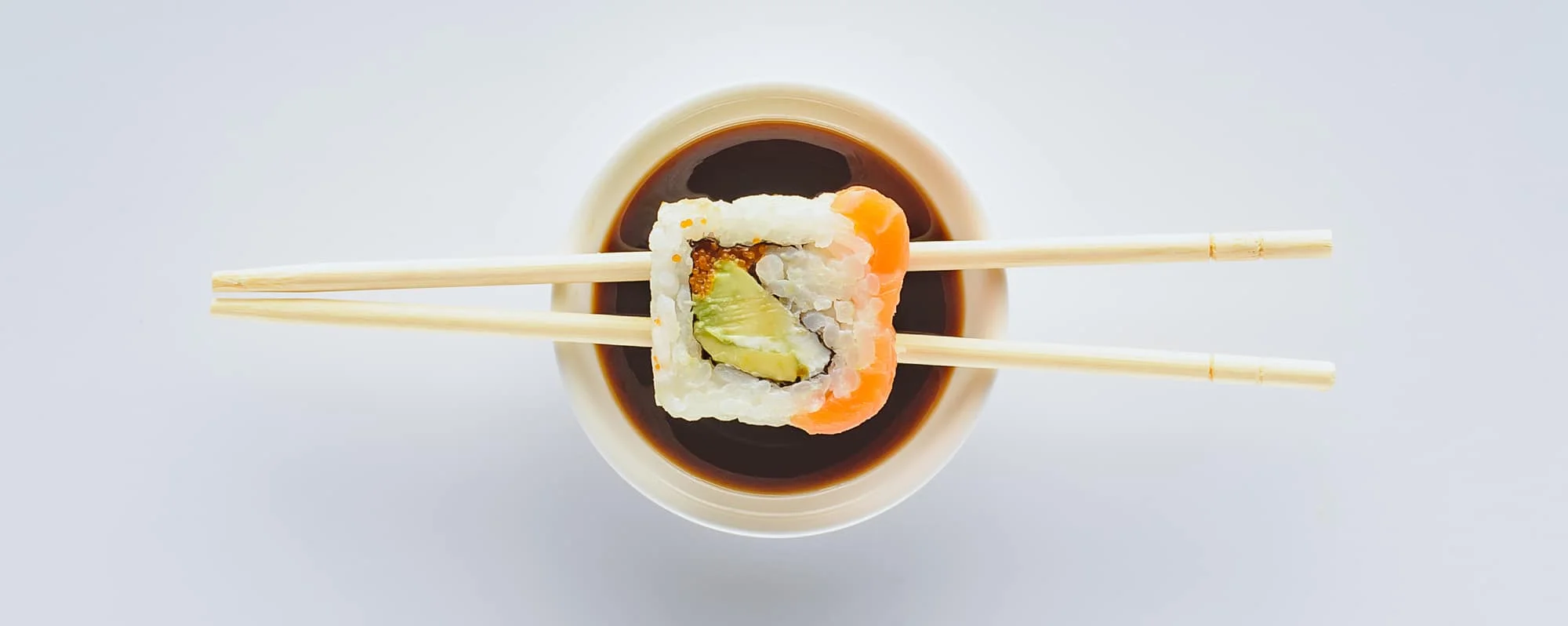
Japan has elevated food preparation to an art form with no obvious parallel in the world. The obsession with seasonal ingredients, the respect for the natural flavour of each component, the knife skills that take a decade to master, the umami depth of a properly-made dashi — Japanese food is a philosophy as much as a cuisine. And yet it ranges from the sublime (a ten-course kaiseki in Kyoto) to the everyday accessible (ramen at a counter stall for 800 yen).
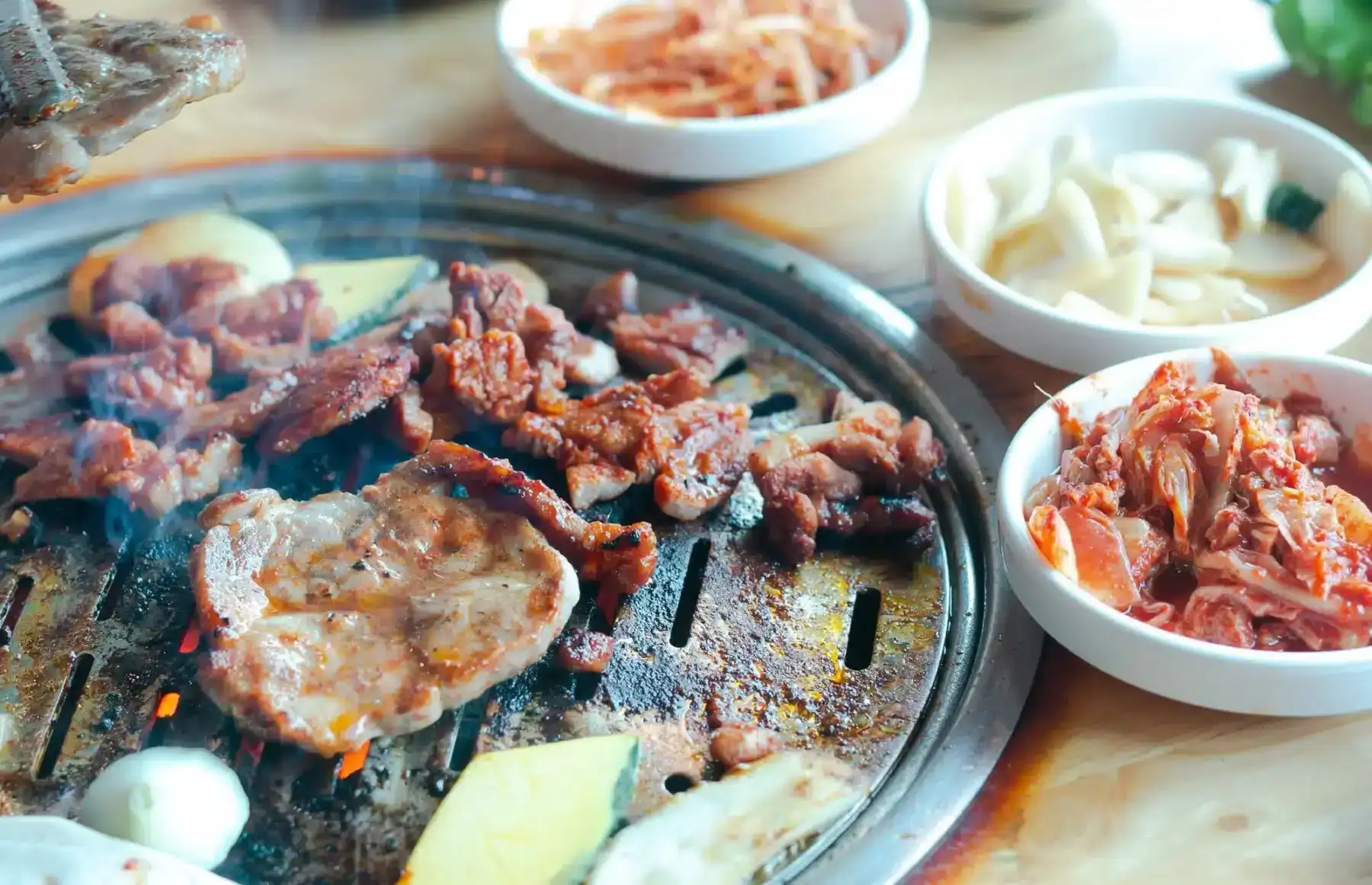
Korea is having its global moment — and deservedly so. The grill-at-the-table communality of Korean barbecue, the fermented depth of kimchi, the fire and sweetness of gochujang, the sheer breadth of banchan side dishes that accompany every meal: Korean food rewards the curious traveller like few others. It is food built around fermentation, fire and togetherness.
Try seriously good Korean grill food · Exploring Korean food
India is a continent within a continent when it comes to food. North India’s tandoor breads and creamy dals bear almost no resemblance to the coconut-and-curry leaf cooking of Kerala or the seafood-rich traditions of Goa. What unifies them is spice — deployed not for heat alone but for complexity, for medicinal purpose, for the layering of flavour over time.
Food from India — flavours that will seduce your senses
Indonesia — one of the most underrated food destinations on the planet. Rendang, nasi goreng, satay, tempeh, the spice-route-influenced complexity of Sumatran cooking: Indonesian food carries the traces of every trader who ever passed through these islands. It is rich, layered, often slow-cooked, and deeply regional.
Indonesian food — a top choice for the curious traveller
Further reading: Food from Asia — from Thailand to China
Europe — From Street Stalls to Starred Tables
European food culture is built on terroir — the idea that a place produces food that tastes of itself and nowhere else. Parmigiano-Reggiano cannot be replicated in Wisconsin. Chablis does not taste like Chablis made anywhere else. This rootedness is what makes eating your way through Europe so compelling: the landscape is on the plate.

Italy is the world’s most imitated and least successfully copied cuisine. The reasons are structural: Italian cooking is not really one cuisine but twenty — each region jealously guarding its own traditions. The pasta shapes of Bologna, the seafood of Sicily, the slow braises of Piedmont, the olive-oil-drenched simplicity of Puglia. Eating locally in Italy means ignoring the tourist menu and following the seasonal specials board.
Italian food and wine — a love story · Top restaurants in Italy
France invented the restaurant as an institution and the idea of cuisine as a high art. But the most compelling French food is rarely in the starred establishments — it is in the boulangerie at 7 a.m., the Wednesday market in a village square, the bistro that has served the same steak frites for fifty years. French food culture is a way of life before it is a menu.
French food — so many delicious discoveries · Springtime in Paris
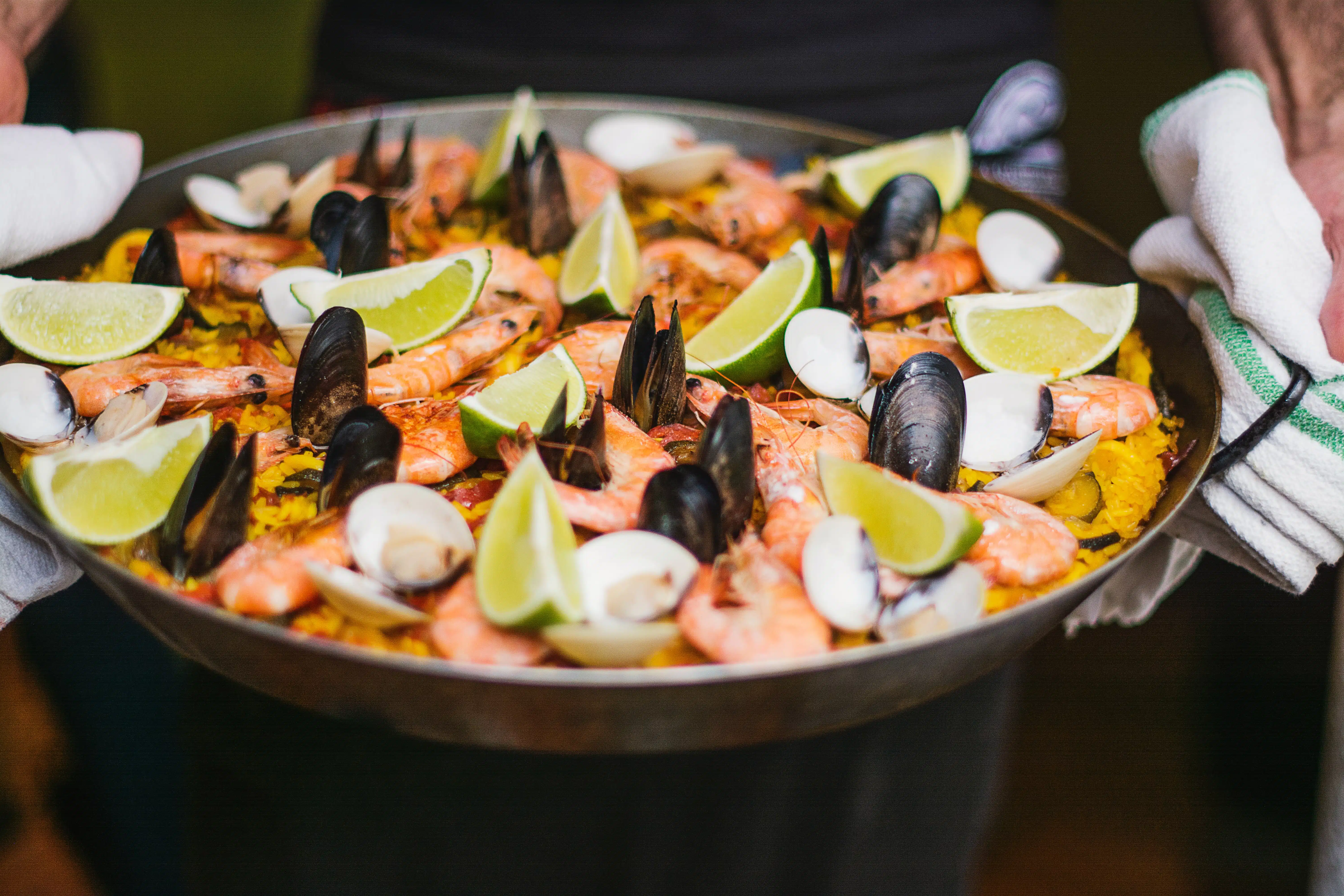
Spain has arguably the most vibrant food scene in Europe right now. The pintxos bars of San Sebastián — arguably the greatest concentration of culinary talent in a single city — the jamón culture of Extremadura, the paella controversy of Valencia, the avant-garde restaurants of Catalonia. Spain eats late, eats well, and makes the social act of eating the centrepiece of daily life.
Spanish food — from tapas to paella · San Sebastián — the food capital of Europe
The Middle East — Ancient Flavours, Living Traditions
The Middle East gave the world some of its oldest flavour combinations: the sweet-sour of pomegranate molasses, the floral depth of rose water, the slow-cooked richness of lamb with dried fruits and spices that travelled the silk roads. This is food with memory — every dish a record of trade, migration and survival.
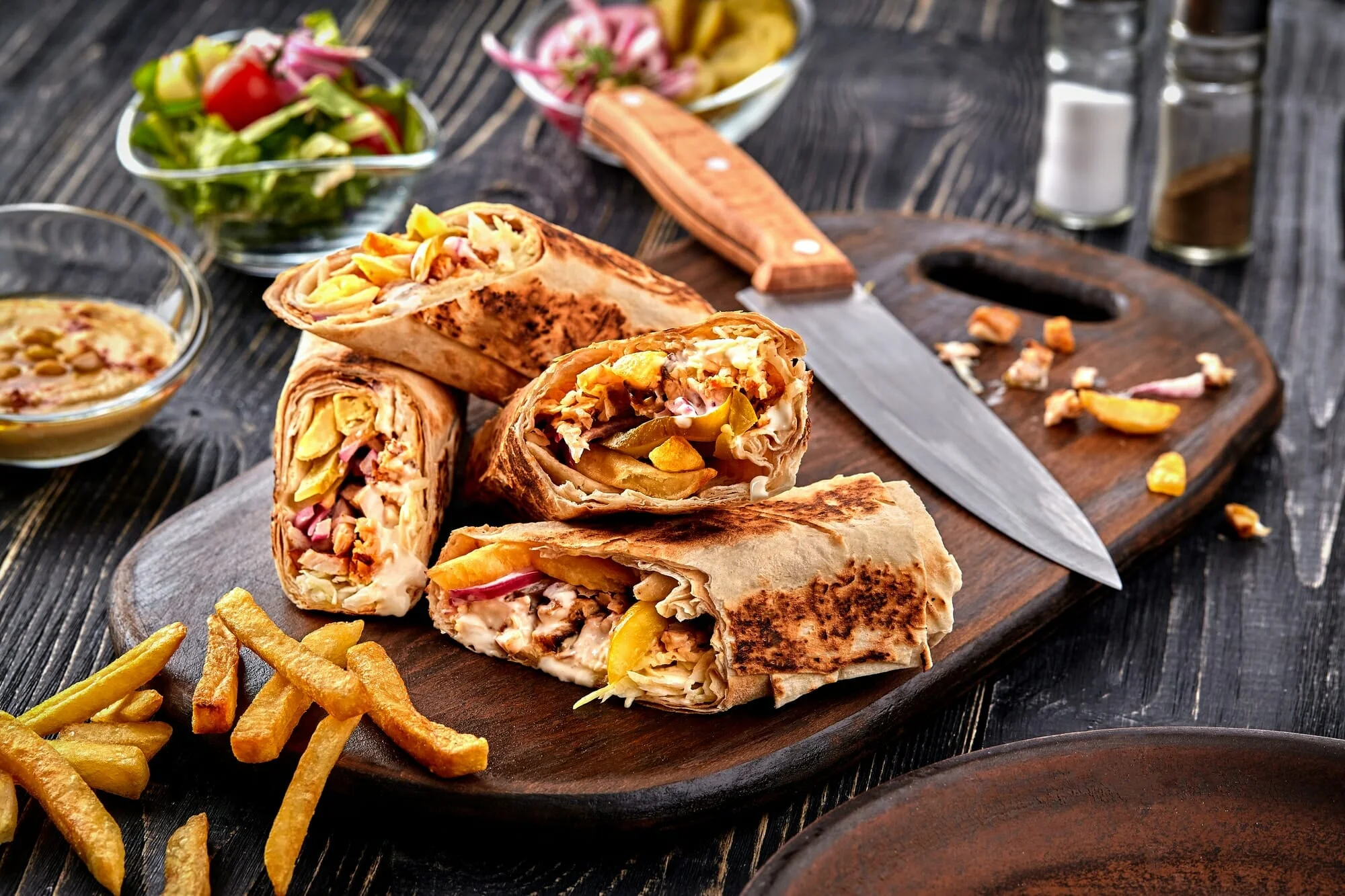
Turkish food occupies a unique position — the meeting point of Central Asian, Middle Eastern, Mediterranean and Ottoman traditions. It is one of the world’s most underappreciated major cuisines: from the meze culture of the Aegean coast to the kebab traditions of Anatolia and the extraordinary pastry and dairy cultures of Istanbul.
Turkish food — world food, delicious, healthy and tempting · Middle East food — millennia of inspirational cooking
The Americas — Fire, Spice and Fusion
The food of the Americas is the most vivid expression of culinary fusion on the planet: the collision of indigenous traditions, African diaspora cooking, Spanish and Portuguese colonial influence, and continuous waves of immigration have produced cuisines of staggering complexity and energy.

Mexico is home to one of the UNESCO-listed Intangible Cultural Heritages of Humanity — its traditional cuisine is not a collection of recipes but a living practice, inseparable from family, ritual, agriculture and community. The real mole is a week’s work. The real taco is a corn tortilla, fresh off the comal, thirty seconds old.
Mexican food — from crispy tacos to delicious enchiladas · A traveller’s guide to Cajun food
Africa — The Continent the Food World is Finally Discovering
African cuisines represent some of the most complex flavour profiles on earth — and among the most neglected by Western food media. The injera-based communal eating of Ethiopia. The peri-peri heat of Mozambique. The tagine traditions of Morocco. The braai culture of South Africa. The street food vitality of Nigeria and Ghana. Africa is a continent of radical culinary diversity, and the traveller who eats their way across it will not be disappointed.

African food — from Egypt to South Africa
How to Eat Locally — The Vacation-Talk Philosophy
The single most useful piece of travel advice about food: go where the locals go at the time the locals eat. Not the restaurant with the English menu outside and the laminated photographs. Not the hotel breakfast. The market. The neighbourhood canteen. The lunch spot that empties out by 2 p.m. because every local in the vicinity has already been and gone.
Eat what is in season. Ask what is good today, not what the menu offers every day. Order the dish the cook is known for, not the dish you recognise. Share. Linger. Come back.
Food travel is not about eating expensively or adventurously for its own sake. It is about paying attention — to what a people have cultivated, prepared and shared across generations. The meal you remember longest is rarely the most elaborate. It is the one where you sat down a stranger and stood up understanding something you did not know before.
Wine and Food — The Full Picture
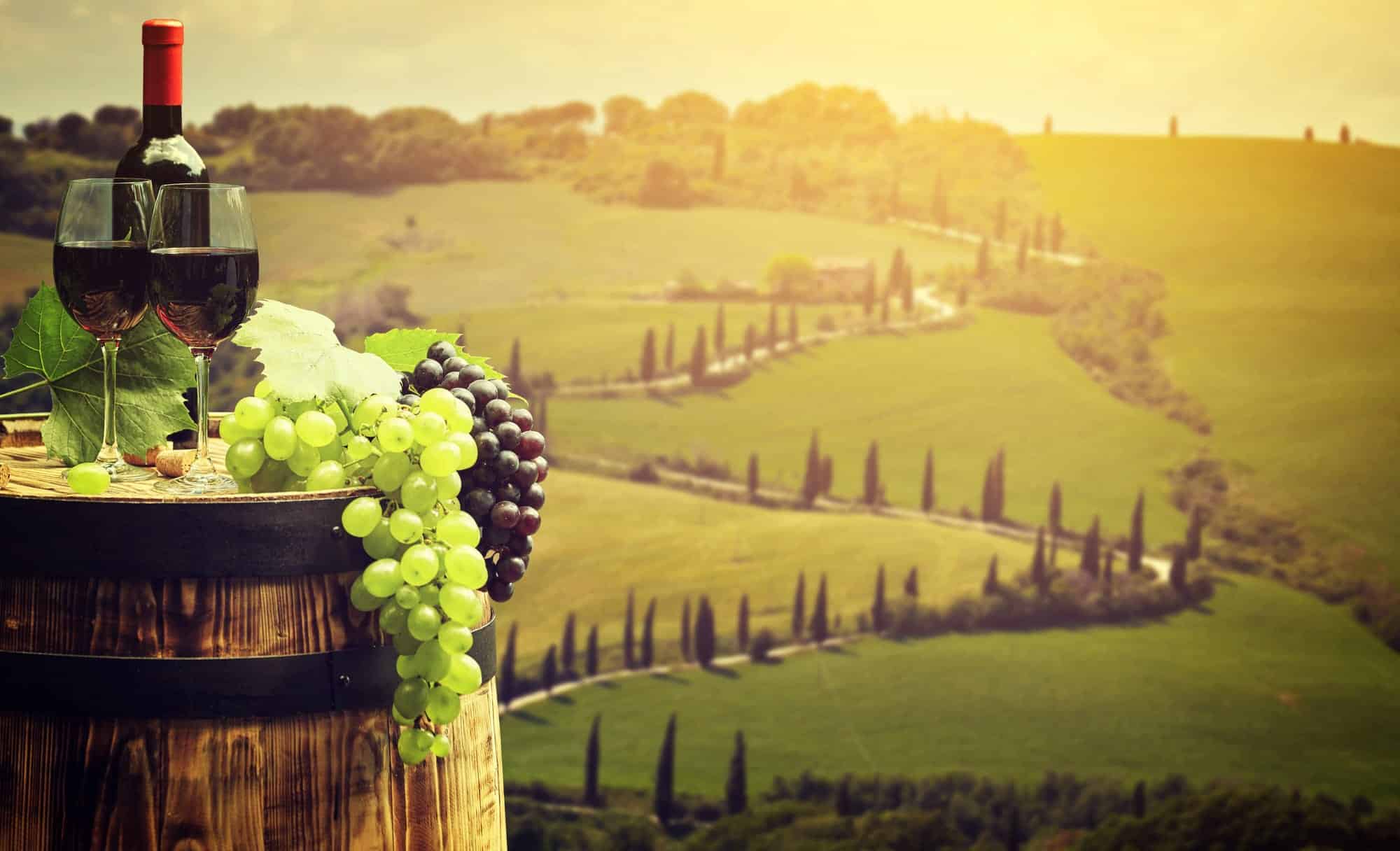
Food without the right drink is only half the story. For wine pairings, regional wine guides and the pleasures of drinking local wherever you travel, our sister site WineTalk.dk covers the world’s great wine regions with the same depth and local lens you will find here.