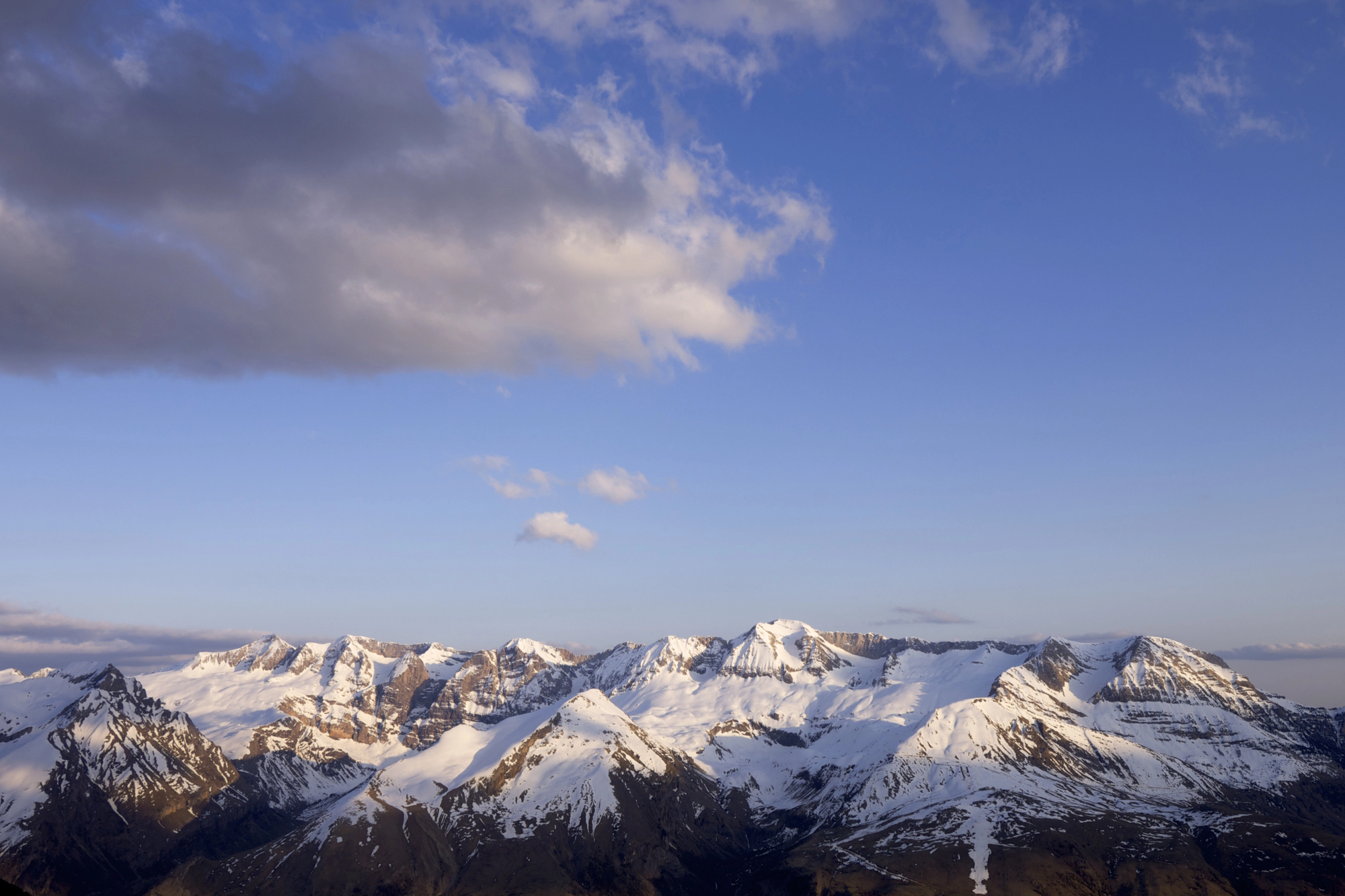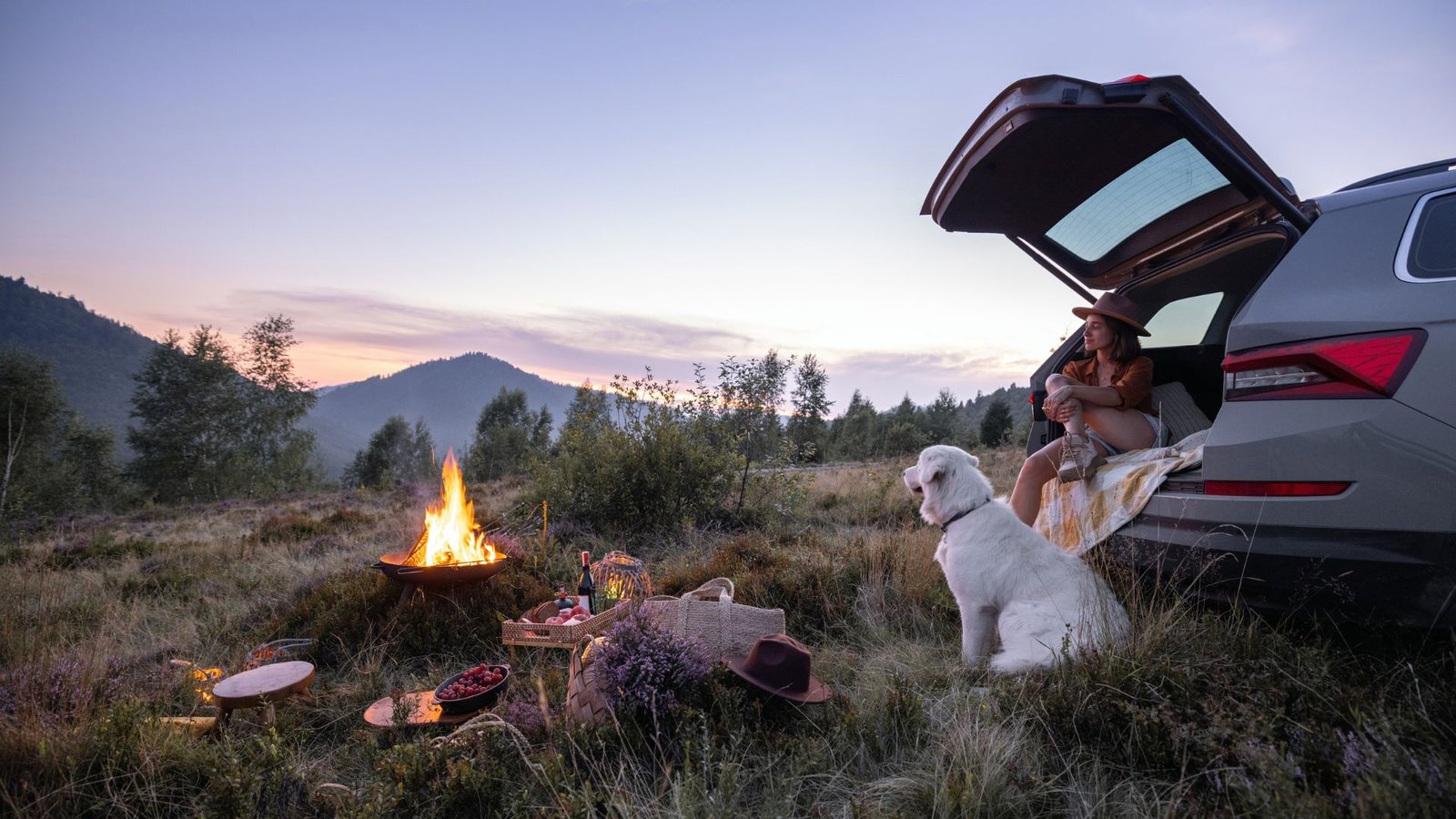

Best places to visit in Africa.
Best places to visit in Africa? You can not answer without leaving out fantastic places, so we apologize, if you as a travel destination is left out. But here are our picks as this was written, and we will be happy to add many more.The African continent is one of the most fascinating places on the planet seen with the eyes of an adventurous traveler. There are so many different adventures to be enjoyed on this incredible and huge continent, which is home to over 50 distinct countries, that narrowing them down for a best places list is difficult, but we tried our best. Here we go:Tunesia, Marrakesh or safari in Kenya, South Africa, or Tanzania?
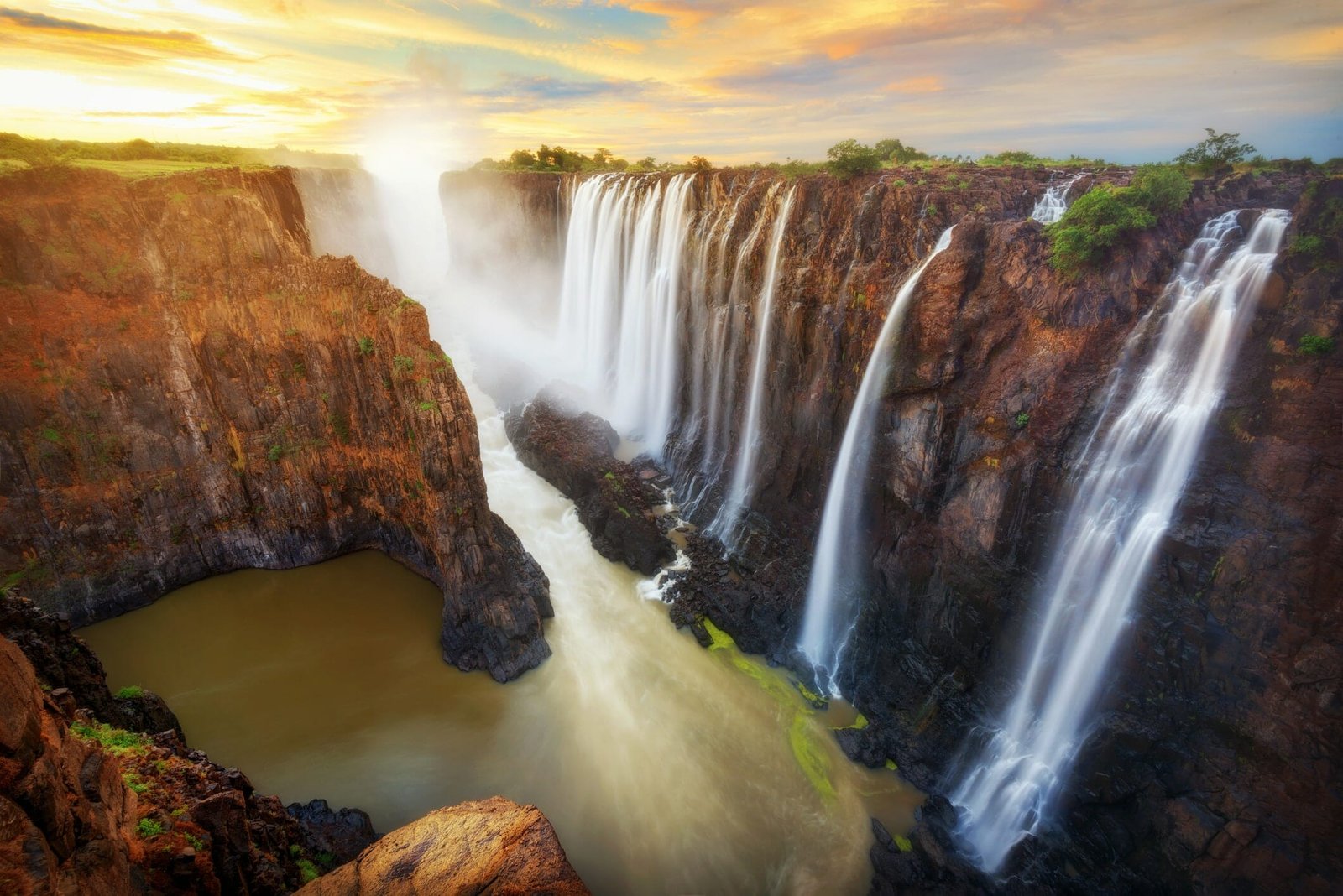
Whether you want to visit dynamic cities like Cape Town, Cairo, and Marrakesh or go on a safari in Kenya, South Africa, or Tanzania to view the continent’s wildlife, there is much to do for all types of tourists.The African continent also has some breathtaking natural wonders, such as Victoria Falls, which straddles the border between Zimbabwe and Zambia and is commonly referred to as one of the world’s seven natural wonders. There are also soaring mountain peaks, such as Tanzania’s Mount Kilimanjaro, Africa’s highest mountain at over 19,000 feet.Then there’s the matter of the beaches. Warm, turquoise-hued waves and white-sand beaches can be found in magical islands like Zanzibar off the coast of Tanzania and the Bazaruto Archipelago off the coast of Mozambique on Africa’s eastern coast, which have thousands of miles of coastline.The most typical reason for travelers to come to Africa is to go on a safari or climb Mount Kilimanjaro, but while Africa does provide some of the best wildlife viewing opportunities and one of the seven summits, there are numerous other reasons to visit.Across the continent, unique landscapes, historical history, geographical wonders, and dynamic activities abound.The most typical reason travelers come to Africa is to go on a safari or climb Mount Kilimanjaro. Still, while Africa does provide some of the best wildlife viewing opportunities and one of the seven summits, there are numerous other reasons to visit.Across the continent, unique landscapes, historical history, geographical wonders, and dynamic activities abound.Many African countries rely heavily on tourism as a source of revenue. Uganda, Algeria, Egypt, South Africa, Kenya, Morocco, Tunisia, Ghana, and Tanzania are among the countries that benefit greatly from tourism. The great variety of areas of interest, diversity and multiplicity of landscapes, and the rich cultural history, distinguish Africa as a tourist destination. There is also an ecotourism business (i.e. South Africa, Kenya, Namibia, Rwanda, Zambia, Uganda, Mozambique, etc…Morocco, Egypt, South Africa, and Tunisia all have thriving tourism industries. Kenya, Zimbabwe, Swaziland, and Mauritius are examples of countries with a stable and consistent tourism-based economy. Algeria and Burundi are examples of countries that benefit little or nothing from tourism yet want to grow.A lot of factors contribute to the success of tourism-producing countries. Morocco and Tunisia, for example, benefit from their gorgeous beaches and closeness to Europe. Egypt’s tourism industry is founded on the country’s rich history, pyramids, treasures, and gorgeous Red Sea beaches. Wild safari adventures help South Africa and Kenya, drawing tourists who want to experience Africa’s wildlife.BEST PLACES TO VISIT IN AFRICACAIROEven the most flexible visitor would suffer from culture shock in Cairo due to the desert heat, noisy streets, and sheer enormity of the city. The incessant barrage of street vendors, the inevitability of cattle odors, and the seemingly chaotic way of life will jar the senses. But take your time. Relax with a cup of tea, stroll through the old neighborhoods, and watch the sun set over the magnificent Nile River. It won’t be long until the city’s hidden gems are discovered.The majority of travelers come to Cairo to see the wonders of the ancient world and walk in the footsteps of the pharaohs. Cairo, on the other hand, has two faces: citizens who embrace their history and exult in their progress. The ancient pyramids of Giza, Dahshur, and Saqqara compete for attention with the trendy bars of Zamalek and Heliopolis. In the tight alleyways, horning taxi cabs compete for space with braying donkeys. At the same time, the traditional Islamic call to prayer, lounge music, and loud discussion may all be heard. Taking the ancient with the new is the only way to get a full sense of Cairo.The Best Time to VisitThe months of March and April, as well as October and November, are ideal for visiting Cairo. On most days of the week, the brief shoulder seasons bring pleasant temperatures, fewer crowds, and reasonable hotel costs. Because the days are warm and sunny and the evenings are calm and breezy, winter is by far the most popular time to visit Egypt’s capital. You can expect throngs of people if you travel between December and February. Summer is when you’ll discover the best hotel deals, but for many people, braving the heat isn’t worth it.In Cairo, there are a few ways to save money.Learn how to barter. In Cairo, there is no such thing as a fixed price. You should be able to save 20 to 25% on everything from souvenirs to taxi trips, depending on how effective your haggling abilities are.
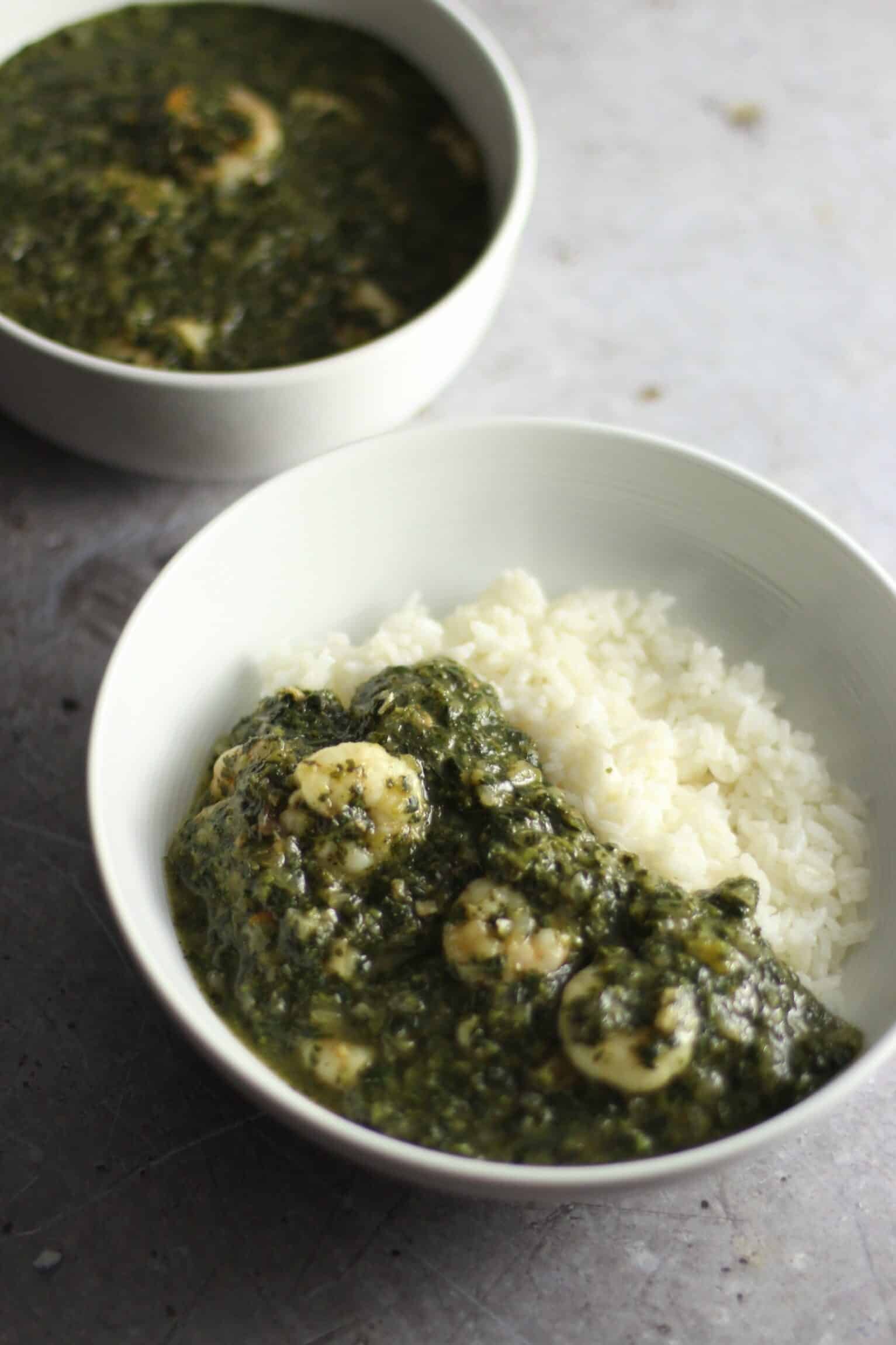
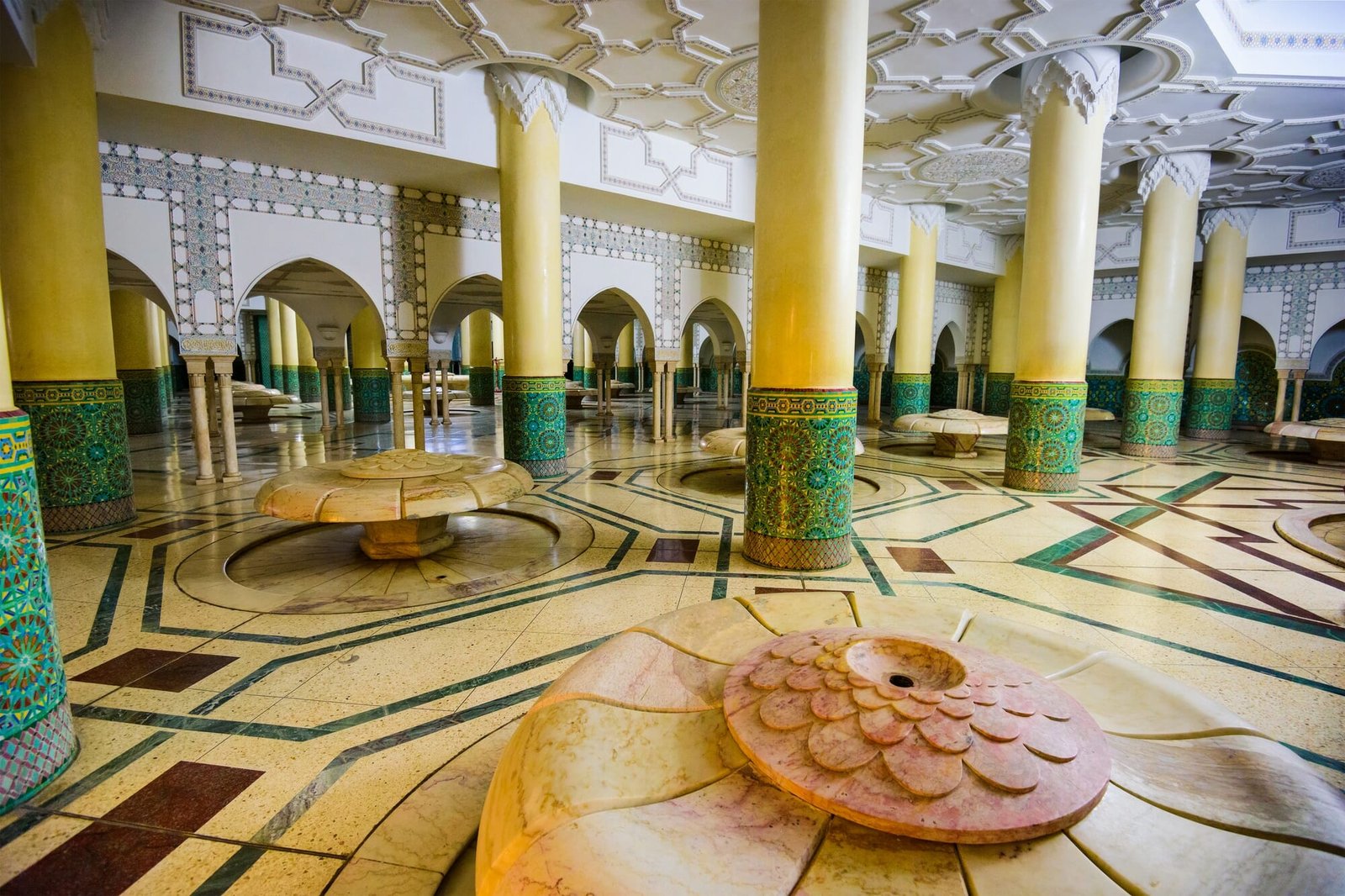
Visit the Souks of Medina
Marrakesh’s labyrinthine medina (old city) area is the town’s main draw for many visitors.The tight passageways are a kaleidoscope of colors, scents, and noises that will undoubtedly be the highlight of your trip’s sightseeing.There are numerous shopping possibilities where you may put your haggling hat on and haggle to your heart’s content, in addition to simply meandering (and getting lost) around the crowded maze.The maze of passageways between Place Rahba Kedima and Place Ben Youssef is the primary souq area.Fondouq Namas, a historic trader caravanserai that today houses a plethora of carpet businesses, is located just off Place Ben Youssef. One of the primary medina districts for spice and spice mix purchases is Rahba Kedima.The metalworkers’ neighborhood is Souq Haddadine, while the leatherworkers’ workshops are in Souq Cherratine, which is immediately to the north.Traditional textile vendors line the tight crisscross of passageways between Souq el-Kebir and Souq Smata’s main thoroughfares, while Souq Lebbadine west leads to the skinny alleys of Souq Teinturiers (the Dyers souq).Visit Djemaa El Fna in the Evening
The life of Marrakesh revolves around this enormous square at the entrance to the medina.The Djemaa El Fna (nobodies’ assembly place) is a bustling hub of bric-a-brac merchants, musicians, storytellers, fortune-tellers, and snake charmers that comes alive in the late afternoons and lasts until midnight.An evening spent here, meandering between the acrobat troupes and local musical ensembles, is authentically Moroccan.The northern section of the square fills up with booths providing inexpensive meals and snacks as the sunsets. It’s also easy to get away from the chaos of the square and relax at one of the many cafés that line the perimeter. From their rooftops, several of these cafés give the best panoramic views of all the Djemaa El Fna bustle.Book a room at a Medina Riad Hotel.
The riad hotels of Marrakesh are an experience in and of itself, and for many visitors, a trip to Marrakesh is as much about the hotel as it is about the city.A riad is a classic medina home with a courtyard in the center. Many have been renovated, remodeled, and reopened as boutique hotels in the luxury and mid-range categories over the last few decades (though Marrakesh even has a backpacker hostel based in a restored riad).Others merge contemporary style with traditional design, while some are palatial in both historic ambiance and Moroccan artisan characteristics.In the larger riads, modern conveniences and amenities like plunge pools and on-site hammams (Turkish baths) are widespread, and many even offer evening meals on request.Pay a visit to the Koutoubia Mosque.
With its magnificent, 70-meter-tall tower visible for kilometers in every direction, the Koutoubia Mosque is Marrakesh’s most recognized landmark.According to local mythology, the muezzin (he who calls the faithful to prayer) for this mosque had to be blind when it was first erected since the minaret was so tall that it overlooked the ruler’s harem.The mosque, which was completed in 1162, is regarded as one of the most important works of Almohad architecture.The foundations of the first mosque erected on this location can be seen in the archaeological excavation area on the northwest side of the minaret. The Almohads demolished it and replaced it with the existing mosque.Non-Muslims are not permitted to enter the Koutoubia Mosque.Take a walk through Majorelle Gardens.
Painter Jacques Majorelle created these gorgeous tropical gardens consisting of cacti, palms, and ferns.Majorelle, who was born in the French town of Nancy, moved to Marrakesh for health concerns and became famous for his paintings of local Moroccan life.But it was this garden, as well as the brilliant blue (now known as Majorelle blue) painter’s studio he lived in on the grounds, that made him renowned.After Majorelle’s death in 1962, the property was purchased by French fashion designer Yves Saint Laurent, whose ashes were spread in the gardens after his death in 2008.Majorelle’s old painting studio, which is now a beautiful museum dedicated to Berber craftsmanship, is located on the grounds.A museum dedicated to the life and fashion legacy of Yves Saint Laurent, which also offers a program of temporary exhibitions, is located just next to the entrance to the gardens.Pay a visit to Ben Youssef Medersa.
Ben Youssef’s lavishly painted Medersa is one of Morocco’s greatest examples of Saadian era artwork. This theological institution, which was established in 1565 and is located directly across from the Ali Ben Youssef Mosque, formerly housed 900 students and was the country’s largest center for Quranic study.In classic Islamic architecture style, the warrens of apartments where students previously slept are packed around small internal courtyards, but the main internal courtyard is the real feature here.This medersa is one of Morocco’s most magnificent buildings, with excellent zellige tiles, stalactite ceilings, cedar-wood carving, and Kufic inscriptions employed as ornamentation throughout the courtyard’s interior.Take a bath in a Hammam
The medina can be a hot, dusty, and congested place to be, but there is a traditional way to unwind and refresh after you’ve finished your sightseeing and shopping.A hammam (also known as a Turkish bath) is a classic community bath with a multi-domed interior dedicated to bathing. At its most basic level, the procedure entails heating, cleaning, and exfoliating your skin, with a short massage as an added bonus.While public hammams may still be found throughout the medina and serve the community, many ancient and newly constructed hammams cater to guests and provide an excellent introduction to Moroccan hammam culture.Some of the more opulent hammams also provide modern spa services, including a variety of beauty treatments and massages.Be awestruck by the Bahia Palace
The Grand Vizier Bou Ahmed, who served Sultan Moulay al-Hassan I, had this magnificent peacock of a palace erected for him in the late 19th century.The interior decorating is a brilliant exhibition of Moroccan artisan work that incorporates zellige tiles, painted ceilings, and intricate wrought-iron embellishments to depict the rich lives of people high up in the Sultan’s favor at the time.The haram area’s huge marble great courtyard and magnificent salons are the two main attractions, while the grand riad’s verdant internal courtyard, with its banana-leaf plants and citrus trees, provides a peaceful refuge from the city.Ride in a Hot-Air Balloon Overlooking the countryside of Marrakesh
In Marrakesh, several firms provide morning hot-air balloon rides, which offer panoramic views of the city, palm trees, surrounding parched plateau, and the Atlas Mountains’ spine in the distance.The stunning landscapes are well worth the early dawn start for photographers.Flights often take off shortly after sunrise and last an hour, with a picnic meal of traditional Berber cuisine served afterward and return transports to the city center.After the hot-air balloon trip, more expensive tours often incorporate a camel ride or a quad bike tour, or offer private baskets rather than sharing the balloon basket with other guests.In the Palmeraie, you can cycle or ride a horse.The Palmeraie (palm groves) region of Marrakesh is located just northwest of the city.The palmeraie, which is home to about 50,000 date palm trees, is a good alternative to staying in central Marrakesh, where there are many of villa-style luxury boutique hotels.Even if you aren’t staying in the palmeraie, you can take a break from the city in this peaceful, shady refuge, which is a popular spot for cycling, horseback riding, quad-bike tours, and camel rides.A couple of local firms offer half-day cycle trips that extensively cover the area, and Palmeraie-based stables offer horse rides that explore both the palmeraie and the surrounding countryside.Pay a visit to the Saadian Tombs
The Saadian dynasty ruled Marrakesh from 1524 to 1668, and this 16th-century burial site is home to 66 members of the Saadian dynasty.The ruler Al-Mansour, his successors, and their closest family members are all buried here.The mausoleums are nestled among an overgrown garden in this rambling, dramatic location.A magnificent surviving mihrab can be found in the main mausoleum (where Moulay Yazid is buried) (prayer niche).The Alawite successors closed up the Saadian Tombs, which were only rediscovered in the early twentieth century.The entrance to the Saadian Tombs is a narrow lane near to the Kasbah Mosque’s southern wall.Island of the MafiaDivers and snorkelers from all over the world visit Mafia Island to see the undersea wonderland protected by the Mafia Island Marine Park. The best months for diving are October to March, however May to October has the best weather on Mafia Island. The months of March and April saw a lot of rain.Coral gardens, a diverse range of species, and a laid-back diving atmosphere may all be found at Mafia Island Marine Park. The area is home to numerous birds and over 400 different fish species. The green turtle, which is regrettably endangered, has a historic breeding place on Mafia Island.Deep-sea fishing, particularly for tuna, marlin, sailfish, and other big-game fish, is popular in Mafia.Mafia became a more prominent colony throughout the 12th to 14th centuries, when it held a key location in the East African commercial routes, when it first saw settlers in the 8th or 9th century.Mafia Island, off the coast of Tanzania, is a unique destination with quiet sandbars, nesting turtles, and migrating whale sharks. It is much less well-known and much quieter than Zanzibar, yet it provides some of the best diving in the world and represents the true meaning of barefoot luxury.Mafia is a small archipelago made up of one big island and several smaller islands, each with its own history dating back to the eighth century. The word “mafia” comes from the Swahili mahali pa afya, which means “healthy dwelling place.”Mafia is still a little-known destination among travel agents, tour operators, and tourists. In fact, according to the local tourism organization, the island attracts fewer than 7,000 visitors per year who spend an average of roughly five nights on the island. “Mafia attracts individuals who want to get away from the masses, explore something new, and experience nature and local culture unaffected by urban or industrial expansion or mass tourism,” according to its website.Mafia is a genuine underwater paradise with some of the world’s most diverse reefs. The island is known as the coral garden of East Africa because of the abundance of groupers, clownfish, octopus, rays, turtles, and whale sharks that frequent the warm, clear waters. The Mafia Island Marine Park was established in 1995 to safeguard the archipelago’s reefs as well as the archipelago’s more than 460 fish species.Mafia’s best diving takes place at depths of less than 30 meters. The shallow reefs of Chole Bay will appeal to novice divers and snorkelers, while expert divers will be able to view a long coral wall outside the bay with massive stands of blue-tipped staghorn corals. Large predatory fish and turtles are prevalent, and they seem to be unaffected by divers approaching.Conservation efforts on the island are similarly noteworthy. Sea Sense is monitoring and protecting sea turtles on Juani Island, close off the coast of Mafia, in collaboration with local people. On the most secluded beaches, visitors can see hawksbill turtles nest and watch the small hatchlings emerge. The freshwater harvesting system and latrine block at Juani Primary School on Mafia Island Marine Park are examples of how sea turtle ecotourism helps communities.Travelers can explore the old city of Kua, which dates back to the early 12th century, on Juani. Several mosques, a cemetery, a palace with a vast storeroom, a pharmacy, and a school, all of which were sponsored by the profitable cowrie shell trade at the time, may be found on the archaeological site. Kua was formerly a significant local location, based on the evidence found on this site.Where should I stay?From fairytale tree cabins to private island alternatives and laid-back modest hotels, the archipelago offers great lodging.Chole Mjini on a teeny-tiny plate Chole Island is believed to provide a castaway dream in the midst of a mangrove environment with ancient baobab trees. In the midst of the natural greenery, the jungle island refuge provides seven charming small treehouses. Each of the luxurious treehouses has a view of the sea, and some are close enough for the sound of the tide trickling back through the mangrove roots to soothe you to sleep. To accommodate youngsters, most treehouses have a second floor.Another fantastic place to stay is Pole Pole. This private ecolodge has a relaxed and unpretentious attitude. The lodge has seven bungalow suites that are wonderfully integrated into the tropical landscape. To preserve a low carbon imprint, all of the product utilized at the lodge is purchased locally.It is possible to rent your own island for the ultimate luxury experience. Thanda Island in the Indian Ocean is available on an exclusive basis and features a single magnificent villa and two traditional Bandas (beach cottages).How to Get ThereShort 30-minute charter flights are available from Dar es Salaam or Zanzibar Island to Mafia Island. Mafia currently has daily domestic flights to all of Tanzania’s remote safari sites, making logistics a breeze.OBUDU MOUNTAIN RESORT, NIGERIATourists and event planners from all across Nigeria have been flocking to Obudu in recent years. Local travel businesses, on the other hand, have yet to completely respond to this phenomena by expanding their service offerings, which might assist Nigeria’s best kept secret cement its position by drawing even more visitors.Visitors are currently arriving from Lagos, Abuja, Port Harcourt, and other foreign destinations. Travellers to the ranch, which has been renamed Obudu Mountain Resort by the management business [African Sun Hotels] after the owner, the Cross River State Government, upgraded the facilities.Today, African Sun Hotels’ Obudu Mountain Resort collaborates with a number of travel firms to provide a wide range of travel services, including educational and entertainment tours, conferences, and eco-tourism, to mention a few.Obudu Mountain Resort, which has previously hosted notable events such as the Gulder Ultimate Search, is scheduled to host the world’s most lasting and famous Mountain Race (Obudu Mountain Race) in a few weeks, attracting notable runners from all over the world.With plans being worked out by African Sun Hotels, it is possible that arrivals will double in the near future, not only for locals, but also for tourists from abroad, who will flock to enjoy the fascinating aura, serenity, and tranquillity of the surrounding beautiful hills that appear more ideal for the strong and fit alone, but the addition of the world’s second longest cable car and a world-class water park at the foot of the mountain are all clear indicators.Obudu is Nigeria’s best kept secret, according to Ian Hunter, a British citizen in Nigeria who was returning from his first visit to the resort. Furthermore, the resort is a true Nigerian gem.Since the upgrade of the resort’s accommodation facilities, Obudu has grown in national and international recognition, and it’s no surprise that Obudu Mountain Resort and Cross River State have hosted a number of regional and international meetings and symposia, just as more business and leisure tourists are flocking to the resort and the state.Amidst its extreme eco tourism potentials, there’s more than enough space for other activities, with over 160 accommodation categories ranging from standard rooms to executives, huts and chalets to a presidential residence. Fans of eco tourism and adventure who are bored by the hotel accommodations may simply pass the time by taking a ride down the hill on the cable car or participating in some water sports.One of the resort’s most valuable features is its commitment to sustainable tourism, which prioritizes the needs of its host communities. For example, some of the ingredients utilized at the resort are sourced from the surrounding populations, which are primarily farmers and cattle ranchers. This ensures that those who are not totally employed by the resort have a stable source of income.The network is clearly altering the franchising and management scene in Nigeria, as it is managed by one of Africa’s most reputable hotel chains, African Sun Hotels of Zimbabwe. In addition to the Obudu Mountain Resort, the chain also operates Amber Tinapa and Utanga Safari Lodge in Cross River State, Nike Lake Resort in Enugu, and the Holiday Inn Accra Airport in Ghana, where the Obamas stayed during their historic journey to Africa.In less than three weeks, African Sun’s management skills will be put to the test once more, as Amber Tinapa, Calabar, and Nike Lake Resort, Enugu will host eight teams competing in the FIFA U17 World Cup, which will take place from October 24 to November 15, 2009.However, only a few months after taking over, African Sun Hotels is demonstrating its dedication to ensuring that the resort provides a lasting experience for both visitors and locals, with the consent of the Cross River State Government. The decision coincides with the rebranding of Obudu Cattle Ranch as Obudu Mountain Resort.The name change only applied to the resort; the remainder of the community, which was previously part of a single package, remained unchanged. The livestock and honey industries are still thriving.The resort, which is located at 1,575.76 meters above sea level, has a temperature range of 26°C to 32°C from November to January, and the nights are cool to cold throughout this time. Meanwhile, the rainy season, which runs from June to September, sees the lowest temperature ranges of 4°C to 10°C.When visiting Obudu Mountain Resort in the rainy season, bring warm clothing, a raincoat, and water boots for hiking.LEKKI CONSERVATION CENTRE, NIGERIAThe Lekki Conservation Centre (LCC) was founded in 1990 as a biodiversity conservation icon and environmental teaching center in Lagos, Nigeria. The Chevron Corporation created the facility for the Nigerian Conservation Foundation (NCF) as a protected habitat for the Lekki Peninsula’s diverse flora and animals. Since then, the corporation has contributed annual funding for the center’s management.It is the only vibrant protected area in Lagos State and one of the few reputable tourist destinations in Lagos, and has thus been designated by the Lagos State Government as one of the notable sites and monuments of special interest and exceptional relevance under the LISTED SITES for the preservation, protection, and restoration of historical properties and cultural heritage in Lagos.Due to its high species diversity, the center has grown into one of Africa’s most prominent and diversified urban Nature Parks. It is located in the coastal environs, spanning an approximate land area of 78 hectares, extending from kilometer 19 along the Lagos-Epe Expressway to a relatively close distance from the Atlantic Ocean near Okun Ibeju Village in Lagos State’s Eti-Osa Local Government Area.The Lagos-Epe Expressway connects LCC to the rest of the city.A promenade of coconut trees welcomes visitors entering the reserve, leading to a well-designed vehicle and visitor park. The auditorium, which is designed like a cone, is used for lectures, conferences, and seminars. Tourists may view a rare collection of exquisite photographs of endangered animal and plant species displayed on glass displays surrounding the oval hall. As guides into the reserve, park rangers are available.The center, with its lovely scenery, is a sanctuary away from Lagos’s frenetic nature.As you travel about the facilities, admiring the beauty of nature, wildlife such as birds, monkeys, and turtles are free to roam.The 401-meter-long canopy walkway is a beautiful attraction considered to be Africa’s longest canopy walkway. It has been appropriately described as a sanctuary of nature within the urban mayhem of Lagos.It’s a triumph of engineering as well as a magnificent suspended swinging bridge walkway spanning the LCC Nature Park’s mosaic of flora varieties. It includes access and exit portals connecting six towers, providing guests with a one-of-a-kind opportunity to explore the Nature Park and enjoy a bird’s eye view of the various habitat types and creatures that call the Lekki Conservation Centre home.This unique walkway gives picnic table views of the nearby tree house, bird hide, fish ponds, woodlands, swamp forest, jungle gym, and savannah if you are not afraid of heights.Climbing the death-defying 21-meter-high tree platform known as the tree house will be thrilling for the daring. If you make it to the top of the tree house, you’ll be rewarded with a panoramic view of the reserve, including the visitor’s center, picnic area, and children’s playground nestled amid the trees, as well as a bird hide overlooking a swamp with crocodiles and monitor lizards.The tree home is one of the most intriguing elements one may find in an ecotourism area. The tree house, which is perched atop a sturdy Dawadawa tree (Pakia biglobossa), climbs to a height of more than 25 meters. A sturdy ladder is built behind the tree to allow nature lovers to access the tree home and enjoy the panoramic view of the tree canopy. The rest spots, as the name implies, provide a place for small groups of travelers to rest and picnic.LCC does, in fact, provide a tranquil setting for a pleasant jungle adventure. The environment is well-kept and well-defined. In this forest, though, the lion is not the king — in fact, there is none. Monkeys are the monarchs of the LCC jungle. They’re all over the place, and they make the center fun to visit, especially if you’re not terrified of monkeys. To avoid being ‘attacked’ by the monkeys, travellers are always advised not to bring food items with them on their trip through the center.Peacocks, bushbucks, crocodiles, and turtles, the oldest of which is claimed to be over 90 years old, are among the park’s other attractions. These are the animals that can be found around the park.The Lekki Conservation Centre’s unique walkway through the swamp forest allows visitors to witness some of Africa’s rarest birds. The bird hide allows avid bird watchers to snipe at unwitting avifauna wading through the conceal’s overlooking pool or foraging in the area.According to a review by hotel republic, birds at the center include the Black Kite (Milvus migrans), Lizard Buzzard, Harrier Hawk, Grey Kestrel (Falco ardosiaceus), Red-Eyed Dove (Streptopelia semitorquata), Blue Spotted Wood-Dove (Turtur afer), Green Pigeon, Wood Land Kingfisher, Allied Hornbill, Piping HornbillIn an interview with the Daily Trust on Saturday, Mr. Adedamola Ogunsesan, the project manager of the Lekki Conservation Centre, revealed that all of the animals naturally occupy the area. He revealed that Prince Charles was one of the people who helped build the center.“We do have (wild animals), and we do not feed them. They’re primarily the species we’ve encountered so far. Crocodiles, monkeys, Siberian cats, antelopes, snakes, and other animals can be found here. The Lagos State Government provided the fish pond, as well as the peacock and tortoise. “All other creatures live here naturally,” he explained.He noted there were various problems to establishing a conservation area in an urban context, the first of which was convincing the community that “this is not a place where you can cut down trees, hunt fish, or just stroll in.”He went on to say that as the years passed, the issues evolved into a confrontation between the animals and humans, because the area was not as developed as it is now when the center was founded in 1990.“There were not many obstacles in the past as the monkeys or snakes moved around,” he explained.However, Ogunsesan emphasized that the axis has become heavily populated and urbanized, and that previous challenges such as hunting and trespassing have now resulted in human-animal conflict because the animals have a limited environment and do not understand the difference between their natural habitat and the homes built by humans around the conservation area.“Flooding has occurred recently, but thirty years ago, it was easier for water to enter and exit the reserve.” Thirty years later, the same conduits for easier water flow have been closed by the community and land speculators, making flood management difficult.“As a result of this, our most recent difficulty is that some of our trees are dying because water no longer flows in and out as it used to,” he explained.Poachers and neighbors have already targeted several of the centre’s animals, according to the project manager.“We are a little lucky nowadays that our antelopes are not being murdered as much as they used to be,” he remarked. One of the artisans was charged with killing a crocodile and was sent to court. He claimed he killed the animal because he mistakenly believed it to be bush meat.“Well, by teaching the public, we were able to solve the challenge.”“You would agree with me that you can gain admission to this location for N1000. It is one of the cheapest sites to visit in terms of admission costs. “Rather than going to the beach, I prefer to come here. One of the functions of a forest is to filter dirt from the air we breathe, which is not the case in areas where deforestation is occurring.“We wouldn’t have been alive with decent oxygen in Lekki and its environs if they hadn’t protected this spot for over 30 years,” he added.Due to the rapidly increasing threats to the natural environment, the need to stem the alarming loss of the natural environment and the attendant potentially drastic consequences for the planet, as well as concerns for the future conduct, welfare, happiness, and survival of the planet, LCC serves as a model for environmental education and public awareness of the natural world.
Kakum National Park. Ghana
Kakum National Park in Ghana’s Central Region is one of the most popular tourist destinations in Africa, featuring spectacular sights and sounds over its enormous rainforest landscape. It’s known for its stunning scenery and fascinating fauna, and there’s plenty to see and do there — here’s our selection of the best.Discover a tropical haven.Every year, around 200,000 people visit the Kakum location. The park is located in a huge town that is home to ethnic groups such as the Fante, Assin, and Akan. If you plan to camp or hike in the park, a Ghana travel guide or bird guide, as well as a local phrase book, camping gear, and hiking shoes, may be useful.Because there are no medical services within the park, bring any medications you might need, as well as sunscreen, plenty of bottled water, and insect repellent.Visit a bird sanctuary.On the Kakum checklist, there are about 400 bird species. Tourists that walk the field trail and use the canopy walkway frequent the lower-story and ground-dwelling kinds. The white-throated bee-eater, yellow-billed kite, African hobby, smaller black-winged lapwing, long-tailed cormorant, Plain-backed Pipit, African pygmy geese, and long-tailed nightjar are all common here.Binoculars or telescopes should be brought along. Up to ten visitors can be accommodated at a time on platforms affixed to the trees at intervals, allowing for excellent viewing from the canopied path.Hiking and backpacking are enjoyable activities.The 30 km stretch from Pedu junction to Kakum (18.7 miles) The Cape Coast route takes you through the rainforest, where medicinal plants are only one of the many species that liven up the park. Hiking and backpacking are must-do activities for nature lovers in this area. Forest elephants, leopards, bonobos, huge forest antelopes, monkeys, buffaloes, duikers, and red river hogs are just a few of the unique and endangered species found at Kakum National Park, not to mention the 500 species of butterflies that provide a splash of color to the experience.The hiking fee at Kakum is around USD$15, which isn’t much given you’ll be talking about it long after you’ve put up your boots.Take the canopy walkway with caution.A canopy walkway would be ideal in such an incredible biodiverse rainforest. A 40 m (131 feet) high wood and rope walkway hung between seven trees makes up this sturdy twine strip. There is no other hanging canopy in Africa that compares to Kakum’s, hence it is a popular tourist attraction. If you’re lucky, you might see one of the park’s mammals, big cats, butterflies, or birds in their native habitat.Go early in the morning before it becomes too hot in the afternoon.Go to the museum.The Kakum Museum closed in April 2017 and is slowly reopening after renovations. The well-curated exhibitions and installations constructed in the airy area provide a wealth of information about flora and fauna, as well as local culture and history.Tour guides are available to discuss the environment, and the artisan shop is well worth visiting.Make an attempt at camping.You’ll get a tent, a mattress pad, and some bedsheets after paying a nominal price. If you’re doing both, the fee of camping includes hiking. If you’re lucky, you’ll see animals, but even if you don’t, you’ll have a memorable experience camping beneath the stars. The cost of camping is approximately USD$15.Try some of the local cuisine and beverages.A welcome center in Kakum National Park includes a restaurant, a rainforest resort, a picnic space, a camping area, and a wildlife education center. They may have everything you need in terms of food and beverages, but if you want to go out, Castle Beach Restaurant is nearby. They provide a nice assortment of local and European foods on their menu.The Wildlife Education Centre is a must-see.At Kakum, there is a robust anti-poaching initiative in place, and the agency for the preservation of the park in its current natural state strives to protect the area’s habitats and fauna, including the park’s numerous rare and endangered species. Inside the welcoming area, you can check-in at the Wildlife Education Centre.Elmira Castle, Ghana
Elmina is a town in Ghana’s southern Cape Coast region, west of Accra. The town is predominantly a fishing port, with a thriving business environment and a vibrant atmosphere. The small fishing village of Elmina is a lovely stop-off along Cape Coast steeped in history, famous for the colonial fort built here by the Portuguese in 1482.Other European powers fought for control of this area because of its important location for trade. Due to the enormous death rates sustained throughout the middle passage in such appalling conditions, Elmina became the final site many thousands of Africans would see of their homeland, and for many, it would also be the last place they would see entirely. 30,000 slaves passed through Elmina each year on their route to the Americas at the height of the trade. This went on for approximately 300 years under deplorable conditions. Slaves were kept and tortured here before being taken to the ‘New World,’ thus there were many atrocities to behold.Elmina Castle has a long and illustrious history.In 1482, the Portuguese constructed the castle of St George El Mina in a region rich in gold and ivory. Elmina Castle, which means ‘the mine’ in Portuguese, is one of West Africa’s oldest standing structures. It was also the first permanent structure built by Europeans south of the Sahara. The dungeons serve as the most powerful memory of those awful days.The castle operated as a trading hub for the Portuguese, who kept tens of thousands of slaves in the dark, damp dungeons. It was also carefully fortified against attacks by neighboring European powers eager to take advantage of its strategic location, but not so heavily guarded against less possible African hinterland attacks. The cannons from the warring era are still visible. After several failed efforts, the Dutch took the fortress in the mid-1600s, and the English were among the nations that struggled for sovereignty. The castle began as a trading post for the countries’ gold, ivory, and timber, and later evolved into a stop on the infamous slave triangle, transporting human cargo to America and the Caribbean, raw materials like cotton and rubber to Britain, and manufactured goods like clothing and weaponry back to Africa’s West Coast.For C/3000 (US$0.40), you can explore the castle with a guide, and don’t forget to bring your camera because the views are spectacular. The entrance fee at Elmina Castle is C/1000 if you want to walk around at your leisure. Fort St Jago, the castle’s major defense against its repeated invasions, is located directly across the street and has been turned into a hotel for visitors. The entrance and tour fees are identical to those charged at the castle.Where Should You Stay?If you don’t want to stay in the reconstructed fort, you can stay at the Nyansapow Hotel for less than US$7.50 or the Oyster Bay Hotel for less than US$15.Other Places to Visit and Things to DOBakatue, Elmina’s famed festival, takes place on the first Tuesday in July. The literal meaning of the festival is the opening of the Benya lagoon into the sea, but it also symbolizes the start of the fishing season, and it is marked by a parade of town chiefs dressed in full regalia, followed by singers, dancers, and stilt walkers.
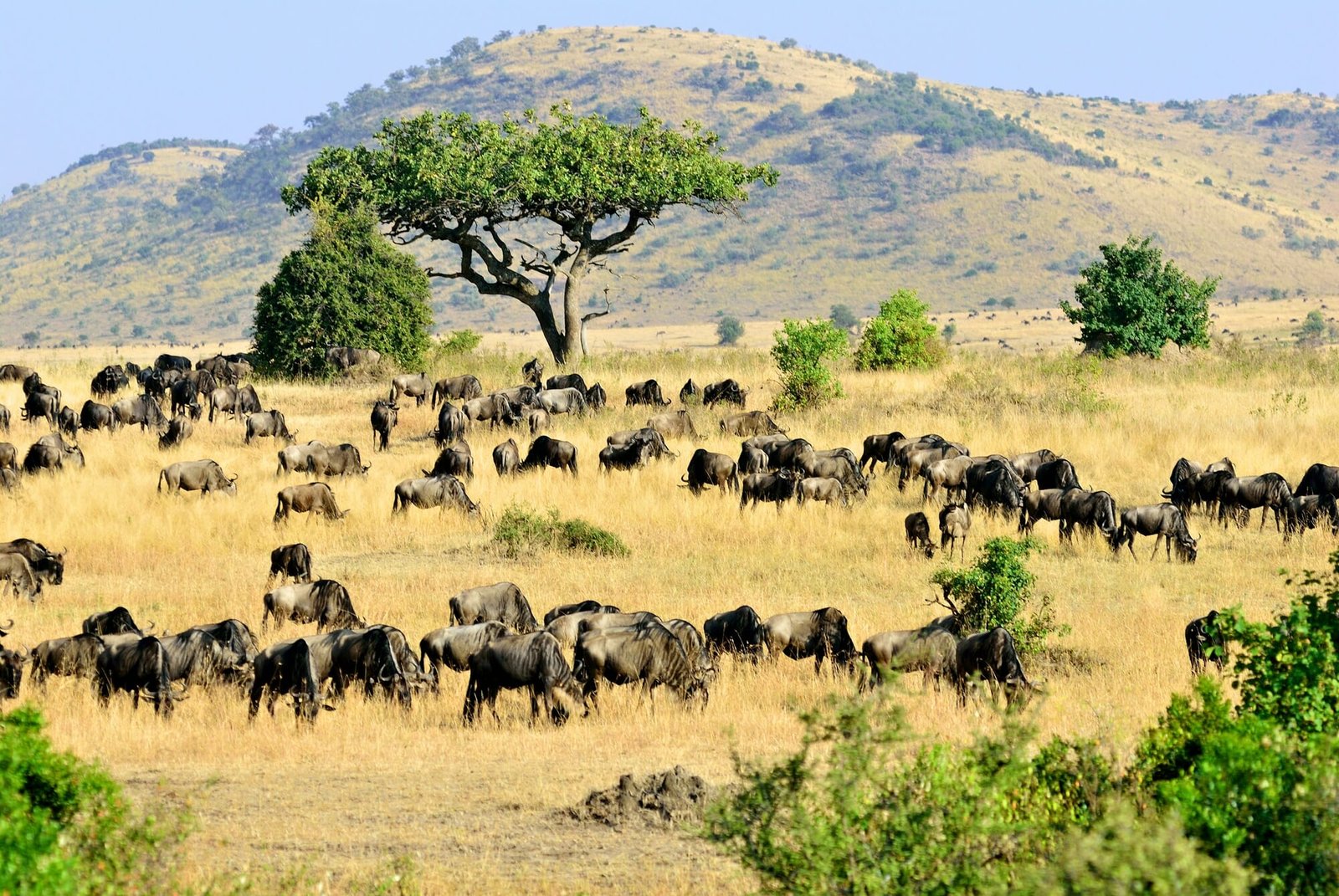
- The Great Migration of Wildebeests
- The Abundance of Wildlife and the Big Five
- Ballooning with hot air
- Bird Observation

Paying a visit to Sidi Bou Said
For decades, Sidi Bou Said has been a must-see on any Tunisian itinerary. Artists and vacationers alike praised this small town for its sunny outlook and breathtaking views of Tunis Bay, which shimmered with indescribable tones of blue. Simone de Beauvoir and Flaubert, Matisse and Chateaubriand are just a few of the famous names that came to adore the cheerful contrast of blue and white, accentuated by the hue of oranges and the exquisite scents emanating from hidden gardens or blossoming orange trees.Now it’s our turn to experience the town that the last century’s bohemians adored. Sidi Bou Said is touristic, but in a good way — even the souvenir shops are as lovely as the bright and primarily blue doors, each of which is a unique piece of art.What distinguishes Sidi Bou Said from the rest of the pack?Without a doubt, it’s the colors that conjure up images of Santorini or Mykonos in Greece. By the way, there’s a backstory to it.Rodolphe d’Erlanger, a French aristocrat and arts patron, relocated to Sidi Bou Said in 1907. He was the one who came up with the blue and white color scheme and funded it. Later, the village was included to the UNESCO World Heritage List alongside the Carthaginian Archaeological Site — wasn’t that a good initiative? The Baron welcomed a variety of artists in his palace Dar Ennejma Ezzhara, which means the Star of Venus or Sparkling Star, because he was both a musicologist and painter. It is now a Museum of Arab and Mediterranean Music, and it is well worth a visit for its relics as well as its beautiful décor.In Sidi Bou Said, what should you do?Even if the town is little, take your time walking through it, paying attention to every beautiful entrance, previously only seen in oriental fairy-tale collections, modest gardens, forged balconies, and moucharabieh – wooden latticework screens to keep the house cool during the summer. Sidi Bou Said has gorgeous manors erected by famous persons from the city since the 19th century, in addition to tiny cottages. In a nutshell, there is something for every architecture and Mediterranean spirit aficionado.Climb to the lighthouse and, a little further on, the seaside graveyard for some spectacular views of the town and the blue Bay of Tunis.Visit the Arab and Mediterranean Music Museum or one of Sidi Bou Said’s Dars (manors), such as Dar El-Annabi or Dar El-Jaziri.Lunch at one of Sidi Bou Said’s many terrace restaurants and cafés, where you may sample traditional Tunisian food and sip mint tea at Café des Nattes.Descend the stairs to the beach and marina of Sidi Bou Said, which are lined with thousands of cacti. Fishing boats, nets, and a terrific opportunity to take a walk in the sea if the weather does not permit appropriate swimming.Stand-Up-Paddle is a fun way to get some exercise. We tried our first SUP in Tunisia, and if you’re interested in trying this activity, make a note of the location! Even if we ended up in the freezing April sea (with my favorite sunglasses as a casualty!) we had a good day.Purchase a bouquet of jasmine flowers to place behind your ear – a great method to blend in! Plus, it’s said to bring you luck, so it’s a win-win situation!Mali is unsafe to travel in 2021:DJENNE, MALIDjenné is one of the few cities in the world that is now undervalued. Djenné, Mali’s true treasure, is an antique city straight out of a film set that you can explore and have all to yourself. Djenné used to be a tourist attraction in Mali, but with the country’s tourism industry collapsing, it now only receives a few of people each month.While most people have heard about Timbuktu and most visitors want to visit it at some point, it is neither safe or prudent to do so at this time. Djenne, on the other hand, provides a very comparable experience to Timbuktu while remaining within the UN peacekeeping forces’ secure perimeter. Djenné ensures a secure and enjoyable experience that is just waiting for you!HOW TO GET TO DJENNÉDjenné is situated on the banks of the Bani and Niger rivers. Bamako is about an 8-hour journey away. Most people choose to travel to Djenné from Mopti, which is located somewhat north of here. The majority of visitors to Djenné will take a ferry to the old town. The ferry, which is an adventure in and of itself, is staffed by a group of highly intriguing and playful people. Consider a rastaman who wears a bicycle helmet and calls himself “Mama Africa.” It will be essential to hire private transportation, and the ferry can accept compact cars.WHY SHOULD YOU VISIT DJENNÉ?Djenne is a quiet oasis surrounded by ancient mud buildings, most of which are built in the Sudanese style. Djenne is the place to go if you’re looking for unique architecture. Consider Stonetown in Zanzibar, but without the swarms of tourists and touts; in fact, there aren’t any. The majority of travel in Djenné is done on foot, as the picturesque meandering lanes are too narrow to permit any form of vehicle.Djenné is a historic city that has played a pivotal role in the history of Islam in Africa. It had significant trading relations with Timbuktu, making it a smaller version of Timbuktu.Djenné, on the other hand, is in danger. While being in this town is fascinating because there are no tourists, the town’s economy has been severely harmed, and the residents are surviving on whatever they can grow or catch. Bringing money and supporting the town’s few enterprises makes a real difference and allows the town to continue to exist.WHAT IS THERE TO DO IN DJENNÉ?Walking around Djenné’s calm streets and going up onto the roofs of select houses to take in the view is one of Mali’s most memorable experiences. The Old Town, on the other hand, has a wealth of sites to see.The central mosque is, without a doubt, Djenné’s most popular attraction. Djenné’s central mosque is the world’s largest mud-built structure and is just gorgeous. Because it is composed of mud, the Mosque must be maintained every year by applying a fresh coat of mud. Every year, when this is done, it turns into a sort of festival, and it’s a fantastic experience. Non-Muslims, on the other hand, are normally not permitted inside the mosque. The weekly Monday Market is held in front of Djenne’s Central Mosque, which provides a great opportunity for people-watching.Djenné has magnificent madrassas where children are taught about the Quran, and visiting one and interacting with the children is definitely high on our list of things to do here.Djenné is also known for having a facility dedicated to preserving historic manuscripts. A couple of elderly intellectuals have made it their duty to save every scroll, parchment, and book they can get their hands on, with no outside funding. Their mission is extremely motivating, and getting to know them is a fascinating experience.Finally, there is a shrine dedicated to a young girl who was sacrificed to spare the community from a tragedy.WHAT ARE THE BEST PLACES TO STAY IN DJENNÉ?It is possible to organize some homestays that are quite comfortable and comparable to a hotel stay. The proprietors are great people who put in a lot of effort. The availability, however, is exceedingly limited. If those few homestays are full, or if you’re on a budget, you can arrange for camping on the roofs of buildings, which is a thrilling experience at night beneath the stars.WHAT ARE THE BEST PLACES TO EAT IN DJENNÉ?To eat here, your guide will need to place an order many hours ahead of time, and the restaurant will be opened exclusively for you, with the owners heading to the market to gather the items needed to create the meal. You can expect substantial amounts of delicious, homecooked cuisine, despite the inconvenience. Meals may usually be arranged through most homestays.

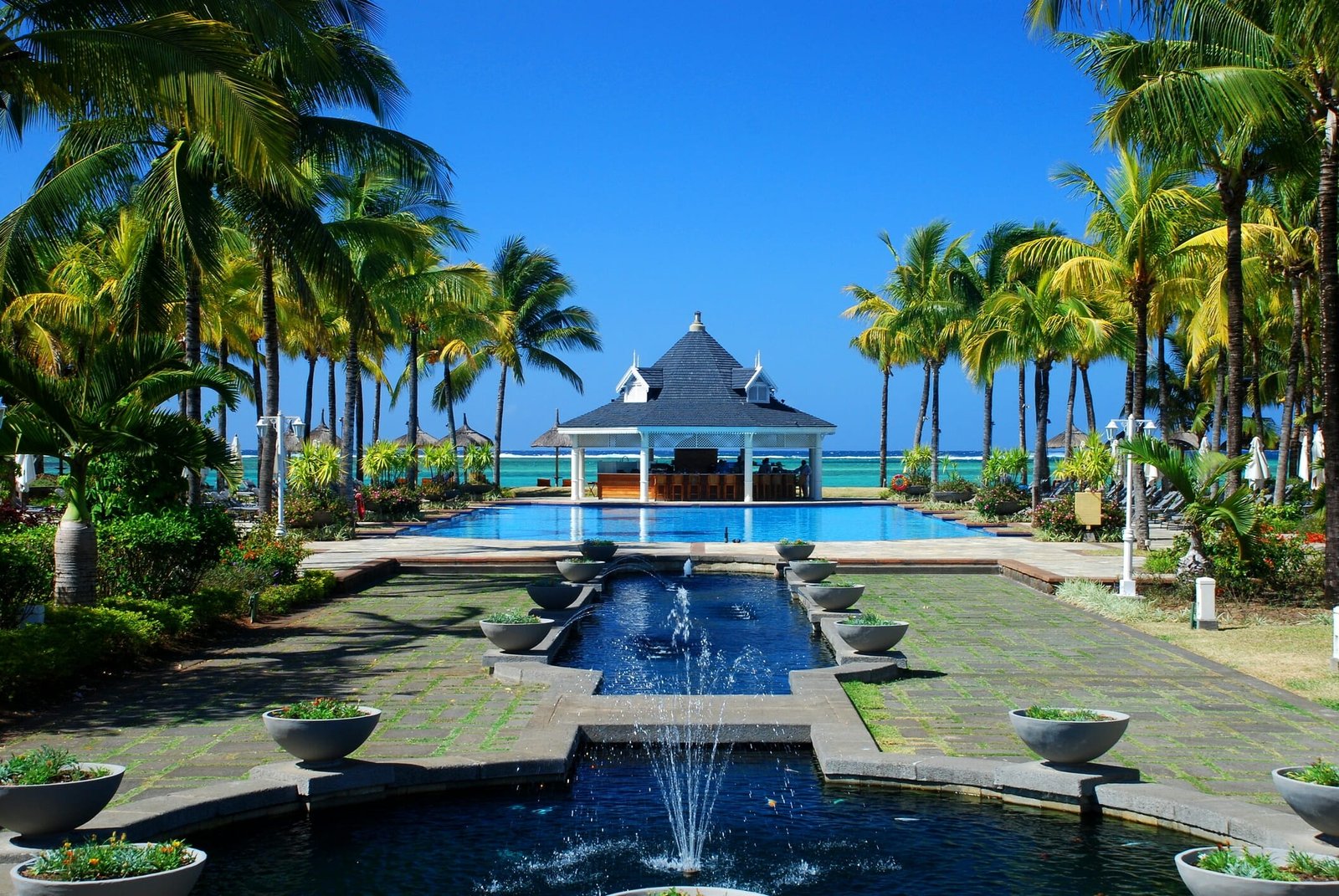
Festivals and cultural celebrations
Tennis tournaments to beauty pageants are among the sports and competitions available.Concerts and musical performances are examples of conferences, shows, and exhibitions.Deep sea fishing, catamaran sailing, parasailing, and scuba diving are all water-based sports.Trekking, paragliding, and nature path hikes are examples of outdoor activities.Porlwi by light, for example, is a heritage attraction.Aqua yoga, wellness and fitness programs are among the wellness and spa services available.Shopping, gaming, and nightlife are just a few of the activities available.3-D and 4-D events and films, drone aerial activities, and interactive games are examples of technology-based entertainment.As a result of these activities, tourists have arrived from a wider range of countries, including Russia, China, Scandinavia, and Turkey. Previously, the majority of visitors to the island came from Europe and India.
Tundavala Gap Angola on the list of best places to visit in Africa
Angola has some of the most enthralling panoramic views of any African country. The Tundavala Gap or Tundavala Fissure, which runs between Namibe and Lubango in Angola, embodies the essence of the country’s beauty.Tundavala is situated at an altitude of 2600 meters on the lip of the Serra da Leba cliff. The valley behind it drops 1200 meters, leaving a massive chasm that empties into the Atlantic Ocean. It is the most famous geological feature in Angola’s Hula Province, as well as one of the most picturesque spots on the continent.The Tundavala Gap’s vacuum lowers sharply in a wavelike pattern towards Namibe’s beaches. At the same time, the Serra da Leba mountain range serves as the backdrop to this breathtaking scene.The Tundavala Gap is an adrenaline junkie’s dream. To begin, take a climb to the Gap for the breathtaking vistas and dizzying drop. Second, its cliff faces and forested landscapes are ideal for natural photography. This is the ideal location for getting closer to nature.Visit AngolaAngolaOKAVANGO DELTA, BOTSWANA.Angola features some of Africa’s most breathtaking panoramic views. The Tundavala Gap, also known as the Tundavala Fissure, stretches between Namibe and Lubango in Angola and reflects the country’s beauty.Tundavala is located on the edge of the Serra da Leba cliff at a height of 2600 meters. The valley behind it drops 1200 meters into the Atlantic Ocean, leaving a vast hole. It is the most well-known geological feature in Angola’s Hula Province and one of the continent’s most beautiful sites.The vacuum of the Tundavala Gap descends in a wavelike way towards Namibe’s beaches. At the same time, the Serra da Leba mountain range provides a stunning backdrop to the scene.The Tundavala Gap is a thrill seeker’s paradise. Begin by climbing to the Gap, which offers stunning views and a dizzying descent. Second, its forested landscapes and cliff sides are perfect for nature photography. This is an excellent spot for coming in touch with nature.SODA LAKES OF THE GREAT RIFT VALLEY, KENYAThe Great Rift Valley, which stretches from Syria to Mozambique, is a natural wonder that has altered the geology of every country it passes through. In fact, the process is gradually splitting Africa, with the continent eventually being home to an ocean.The rift has resulted in the growth of soda lakes in Kenya, which are low-lying water basins with high alkalinity. The geological and climatic conditions of the area influence the water quality.The pink-feathered flamingo lives in the soda lakes, which are hazardous to most life. The strange-looking bird teeters on its incredibly thin legs as it feeds on the brine shrimp that thrive in the water. They also eat blue-green algae from the caustic lake, which gives the bird’s plumage an attractive pink hue.Canthaxanthin, a pink color produced by algae and shrimp, is the key to ‘the pink parade.’ Millions of flamingos strut their stuff in passionate dances, swaying their heads side to side as they couple and nest on the beaches of the lakes, attracting bird enthusiasts to these toxic shores.It is without a doubt one of the most awe-inspiring ornithological displays of all time. Visit Lake Nakuru, Elementaita, or Bogoria with an excellent camera to see this spectacular show.Conclusion on
Best places to visit in Africa
In a nutshell, there is nothing else like it on the planet. Given its immense size and a sheer number of countries — at least 54, depending on who you ask – the world’s most interesting continent has something to offer every traveler. I think the idea that we can’t even agree on how many African countries there are is really cool.Sure, there are adventures to be enjoyed on every continent, but nothing quite compares to what Africa has to offer. It’s not always simple, and it’s frequently chaotic, so you’ll have to learn to abandon timetables and specific plans in favor of going with the flow – but isn’t that a better way to travel anyway? The calm life can wait; bring on the laughter, color, vitality, spontaneity, and pure enjoyment!You’ll see sunsets that you won’t believe are genuine, and the sunrise will wow you as well.There’s also the night sky to consider.Encounters with wildlifeYou are about to embark on an adventure.There is music and dance everywhere.You might be amazed at how delicious the cuisine is.Culture and traditions are strong, and they are respected.Links to AfricaAbercrombie & KentAbercrombie & Kent
🎬 Watch the films — 365 ways to travel the world Watch →
The Leisure Family
Eight sites, one family — travel, wine, sport and sharper thinking. Explore the rest of the universe.
Rejser · DK
Traveltalk.dk
Rejser med dybde — for den nysgerrige rejsende.
Travel · Intl
Traveltalk.travel
Travel with depth, the world over.
Inspiration
Vacation-Talk
Travel inspiration, destinations & ideas.
Vin
Winetalk.dk
Vin som hverdagens luksus.
Sport
WorldSportTalk
Global sport, up close.
Ideas · AI
Think Smarter
Clearer thinking — and AI in particular.
The Group
Leisuretalk
The whole family, in one place.
For business
Gadvisory
Is your business AI-ready? Take the test.