
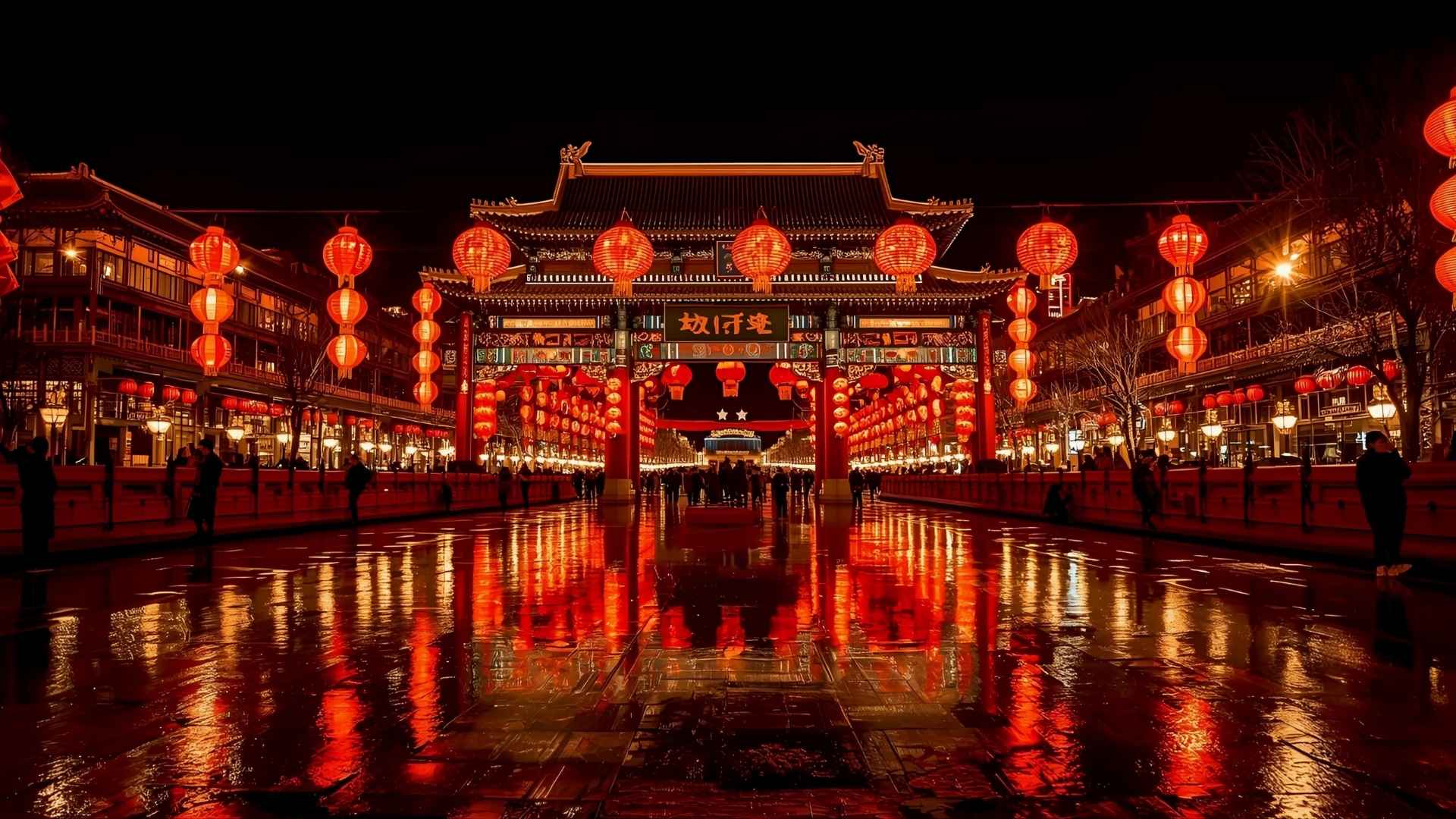
Chinese New Year: When the Chinese Saddled the Horse
Part 1 of 3 – A journey into the origins, symbolism, and cultural meaning of the Chinese New Year and its traditions – from mythical roots to modern celebrations.A Myth That Awakens Once a Year
Long before fireworks and red lanterns lit up the streets of Beijing each year, the Chinese told the story of Nian – a terrifying creature that came down from the mountains once a year to frighten villages. Only the sound of drums, bright lights, and the color red could drive the beast away. That’s how the first Chinese New Year traditions began – a celebration of courage and community. Thousands of years later, those values remain at the heart of what has become the world’s biggest annual festival.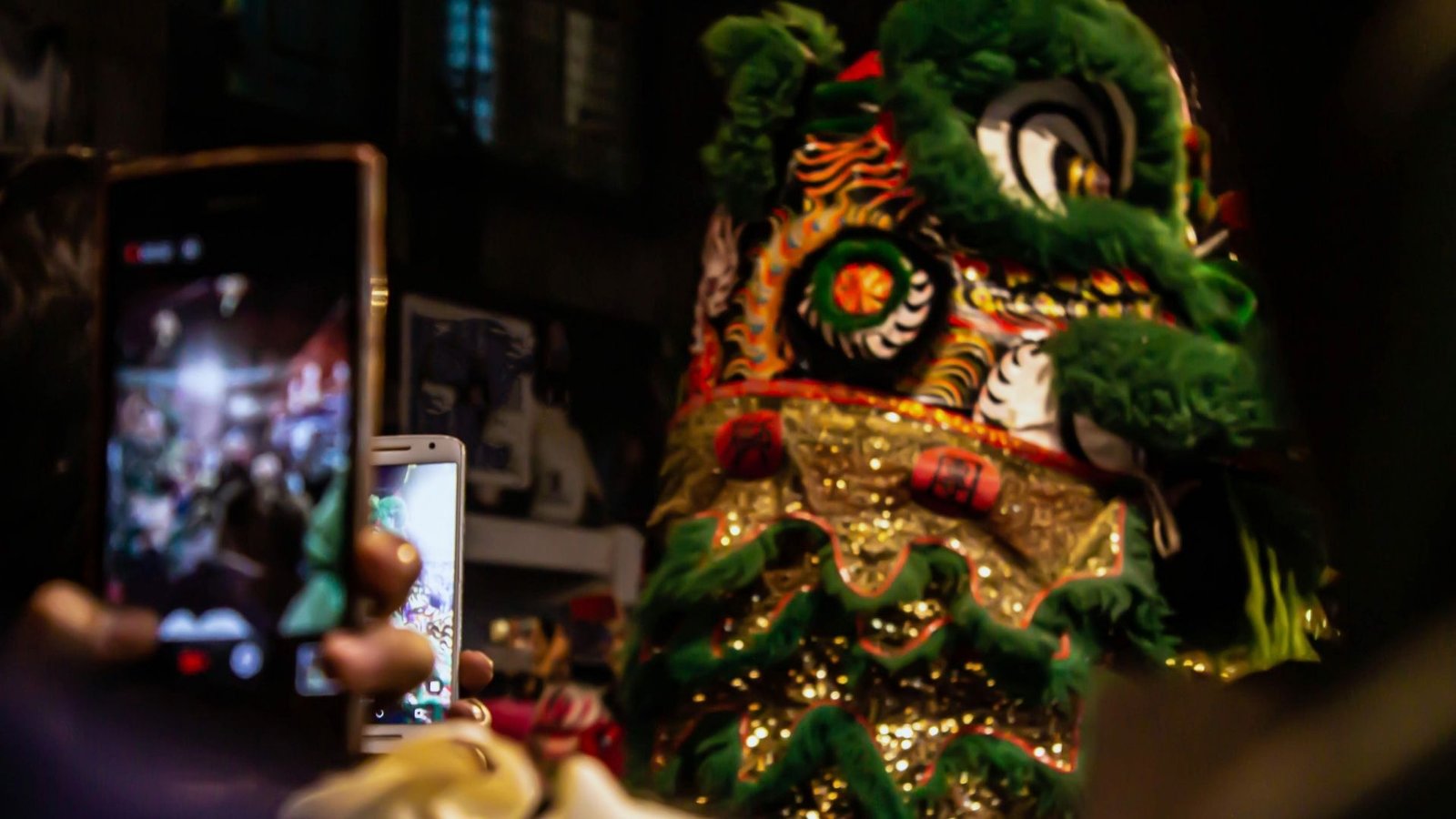
The 12 Zodiac Animals – A Circle of Time
Chinese New Year marks the beginning of a new cycle in the traditional lunar calendar. Each year is connected to one of the 12 zodiac animals – from Rat to Pig – forming a symbolic circle of time. In China, this is more than just a horoscope; it’s a way of understanding people’s personalities, destinies, and relationships. Many still plan weddings or business ventures according to these cycles. It’s a fascinating reminder of how ancient beliefs continue to shape daily life in the modern world.From Imperial Ceremonies to a Global Celebration
During the Han Dynasty (206 BC – 220 AD), the New Year became an official state holiday. The emperor would offer sacrifices to heaven to ensure a good harvest, and the traditions spread across the empire. Today, Spring Festival – as it’s known in China – is celebrated by over a billion people worldwide. From Shanghai and Singapore to San Francisco and Copenhagen, culture and modernity meet in a blaze of light, dragon dances, and hope.Like Christmas in Europe, Chinese New Year brings families together across generations. Every year, millions travel home in what’s known as Chunyun – the world’s largest human migration. It’s a time to reunite, forgive, and start anew – values that resonate far beyond Asia.Red for Luck and Protection
The color red dominates the season – in lanterns, envelopes, and festive clothing. It symbolizes luck, prosperity, and protection. When children receive red envelopes with money (hongbao), it’s both a gift and a blessing for the future. It’s also a reminder that Chinese traditions aren’t museum pieces – they live, evolve, and connect every new generation.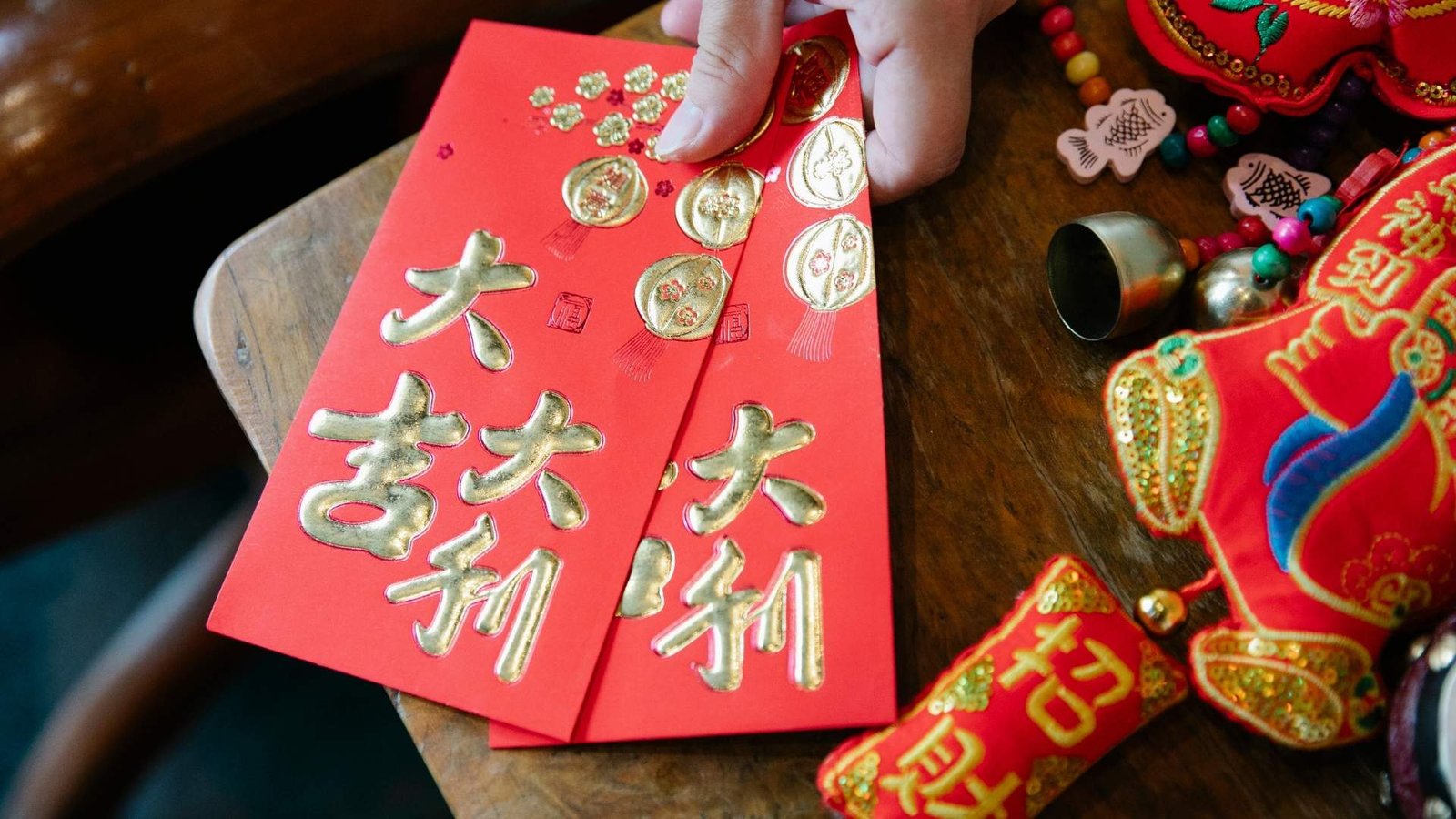
A Reflection of Timeless Values
At its heart, Chinese New Year is about respect – for ancestors, nature, and community. In a world driven by speed and technology, this ancient holiday reminds us that time isn’t just something we measure – it’s something we share. That’s where Chinese culture becomes a universal story – one about keeping the bond between past and future alive.Next article: Part 2 – Chinese New Year celebrations with foodExplore the flavors, dishes, and rituals that give the New Year its spirit and soul.Also discover the complete guide to Chinese New Year for the full story of its origins, traditions, and meaning.See how Asia and the world celebrate in Chinese New Year 2025 – The Year of the Dragon, and look ahead to Chinese New Year 2026 – The Year of the Horse.You may also like to read about travel in China, culture in Japan, hidden treasures of Asia, street food in Singapore and cultural journeys.Read more
🎬 Watch the films — 365 ways to travel the world Watch →
The Leisure Family
Eight sites, one family — travel, wine, sport and sharper thinking. Explore the rest of the universe.
Rejser · DK
Traveltalk.dk
Rejser med dybde — for den nysgerrige rejsende.
Travel · Intl
Traveltalk.travel
Travel with depth, the world over.
Inspiration
Vacation-Talk
Travel inspiration, destinations & ideas.
Vin
Winetalk.dk
Vin som hverdagens luksus.
Sport
WorldSportTalk
Global sport, up close.
Ideas · AI
Think Smarter
Clearer thinking — and AI in particular.
The Group
Leisuretalk
The whole family, in one place.
For business
Gadvisory
Is your business AI-ready? Take the test.